
JOYO Guitar Audio Interface for Phone
4.2Editor score
Zero-latency monitoring
Pocket-sized portability
Plug and play design
Discover the top audio interfaces for guitar in October 2026. This guide compares ten models for sound quality, latency, and compatibility.
Finding the right audio interface for guitar is essential for capturing your sound accurately. Whether you record at home or stream live, a quality interface ensures your tones shine without unwanted noise or latency.
We compared ten leading models based on input quality, connectivity, software bundles, and ease of use. Each product was evaluated for its ability to handle guitar signals while offering reliable monitoring and recording features.
Every pick below shows what makes it stand out for players seeking professional results. Please note that availability and pricing can change frequently, so check current listings before making your final decision.
4.2Editor score
4.6Editor score

4.5Editor score
The following comparison table highlights key specifications across all ten selected models. Review the details to find the interface that best matches your recording needs and budget constraints.



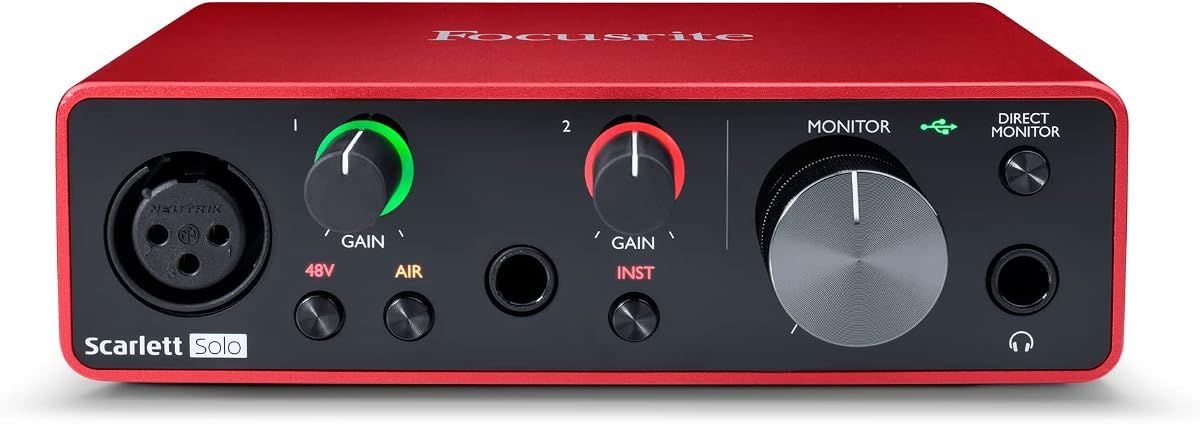
The Focusrite Scarlett Solo 3rd Gen stands out as a top choice for guitarists recording at home. With its high-performance converters and versatile inputs, it delivers studio-quality sound that preserves your instrument's natural tone.
We may earn a commission when you buy through this link, at no additional cost to you.
Its high-headroom instrument inputs ensure your guitar signal remains clean even at high volumes. The switchable Air mode adds extra clarity to acoustic recordings, making it ideal for both electric and acoustic players.
While it lacks a loopback feature for streaming, its gain halos provide visual feedback to prevent clipping. The included software suite helps you start producing professional tracks immediately upon setup.
Guitarists seeking reliable sound and ease of use will find this interface excellent. It balances performance with affordability, making it a strong recommendation for anyone building a home studio.
The Air mode enhances acoustic instruments by adding brightness without harshness, perfect for detailed recordings.
Gain Halos indicators show input levels at a glance, helping you avoid distortion during performance.
We may earn a commission when you buy through this link, at no additional cost to you.
The JOYO MOMIX CAB is a compact solution for guitarists who want to record on the go. Its direct monitoring feature allows you to hear your guitar without any delay, making practice and recording seamless.
We may earn a commission when you buy through this link, at no additional cost to you.
It is incredibly easy to use with no drivers or charging required. Just plug your guitar and headphones into your phone, and you are ready to capture ideas instantly. Its small size fits in your pocket for maximum portability.
The lack of a mute function means you cannot isolate tracks during live mixing. Additionally, it is designed primarily for mobile use, which may limit advanced studio workflows.
Despite these limitations, the JOYO MOMIX CAB is perfect for casual players and content creators. It offers a cost-effective entry into recording with reliable performance and zero-latency monitoring.
The lightweight design and direct monitoring make it perfect for live streaming or on-the-go recording sessions.
No software installation is needed, allowing you to start recording immediately without technical setup.
We may earn a commission when you buy through this link, at no additional cost to you.
The Fender Quantum HD 2 is a high-end interface designed for professional music production. Its MAX-HD preamps and 32-bit/192kHz converters ensure pristine audio capture for any instrument including guitar.
We may earn a commission when you buy through this link, at no additional cost to you.
Front-facing instrument inputs allow for quick setup during performance. Features like Auto Gain and loopback routing make it versatile for both recording and streaming scenarios.
Its complexity may require time to master compared to simpler models. The advanced features are best suited for users who need expansion options like ADAT for growing studio setups.
For serious musicians seeking top-tier sound and flexibility, this interface is an excellent choice. It bridges the gap between professional studio gear and accessible home recording tools.
Having inputs on the front simplifies cable management and allows quick instrument changes.
ADAT and S/PDIF support enable connection to additional gear as your studio grows.
We may earn a commission when you buy through this link, at no additional cost to you.
The M-AUDIO M-Track Duo offers a solid foundation for beginners. It provides two combo inputs which let you record guitar and vocals simultaneously. The preamps ensure your signals stay clean even at higher volumes.
We may earn a commission when you buy through this link, at no additional cost to you.
Switchable USB/Direct monitoring gives you control over latency. Including MPC Beats software helps you get started with production without extra costs. Its build quality is robust for its size.
The 48kHz sample rate is sufficient for most but lacks the high-res capabilities of newer models. Controls are straightforward which is good for simplicity but may feel limiting to advanced users.
If you need multiple inputs at an affordable price, this interface is a strong contender. It balances functionality and ease of use well for entry-level producers.
Record two sources at once such as guitar and vocals without needing extra gear.
Access professional production tools right out of the box to start creating beats and tracks.
We may earn a commission when you buy through this link, at no additional cost to you.
The IK Multimedia iRig USB is designed for modern devices including USB-C enabled phones. It offers direct monitoring and an amp output which allows you to keep your physical setup intact.
We may earn a commission when you buy through this link, at no additional cost to you.
Its compact design makes it easy to carry. The included USB-C cable ensures a streamlined connection. You can switch between processed and direct signals for flexible monitoring.
The lack of Lightning support limits compatibility with older devices. Routing is simple which may not suit complex setups but is perfect for quick sessions.
For users who need a versatile interface that works across platforms, this is a great option. It provides reliable sound and connectivity in a portable package.
Keep your pedal rig connected by routing signals directly to your amplifier.
The FX switch lets you toggle between dry and processed signals easily.
We may earn a commission when you buy through this link, at no additional cost to you.
The MAONO PS22 Lite is built with streamers in mind. Its ProStudio Routing Software offers virtual channels and loopbacks which are essential for mixing game audio with your voice and guitar.
We may earn a commission when you buy through this link, at no additional cost to you.
It supports 106dB dynamic range ensuring clear recordings. The 48V phantom power allows use of condenser mics for vocals. Its compact design fits easily on desktops.
Setup may require specific driver installation and ASIO configuration. This can be a hurdle for less tech-savvy users compared to class-compliant options.
For content creators who need advanced routing without buying separate mixers, this interface is a solid choice. It combines high fidelity with streaming-specific features.
Use loopback to mix computer audio and mic inputs for professional live streams.
The wide dynamic range ensures your music and voice are captured with detail.
We may earn a commission when you buy through this link, at no additional cost to you.
The PIYONE Q28 offers high-fidelity recording with a stylish design. Its 24-bit/192kHz resolution captures every nuance of your playing. The LED illuminated rings add a professional look to your setup.
We may earn a commission when you buy through this link, at no additional cost to you.
Being class compliant means no drivers are needed. The loopback function allows you to record system audio which is useful for tutorials. It runs on bus power for simplicity.
As a lesser-known brand, support may vary compared to major players. User experiences vary with some citing connection issues. However, the specs suggest strong performance.
If you prioritize aesthetics and high resolution on a budget, this interface is worth considering. It delivers professional features with a modern approach.
The LED rings provide visual feedback and enhance your studio's look.
Record system sounds like backing tracks alongside your live instrument input.
We may earn a commission when you buy through this link, at no additional cost to you.
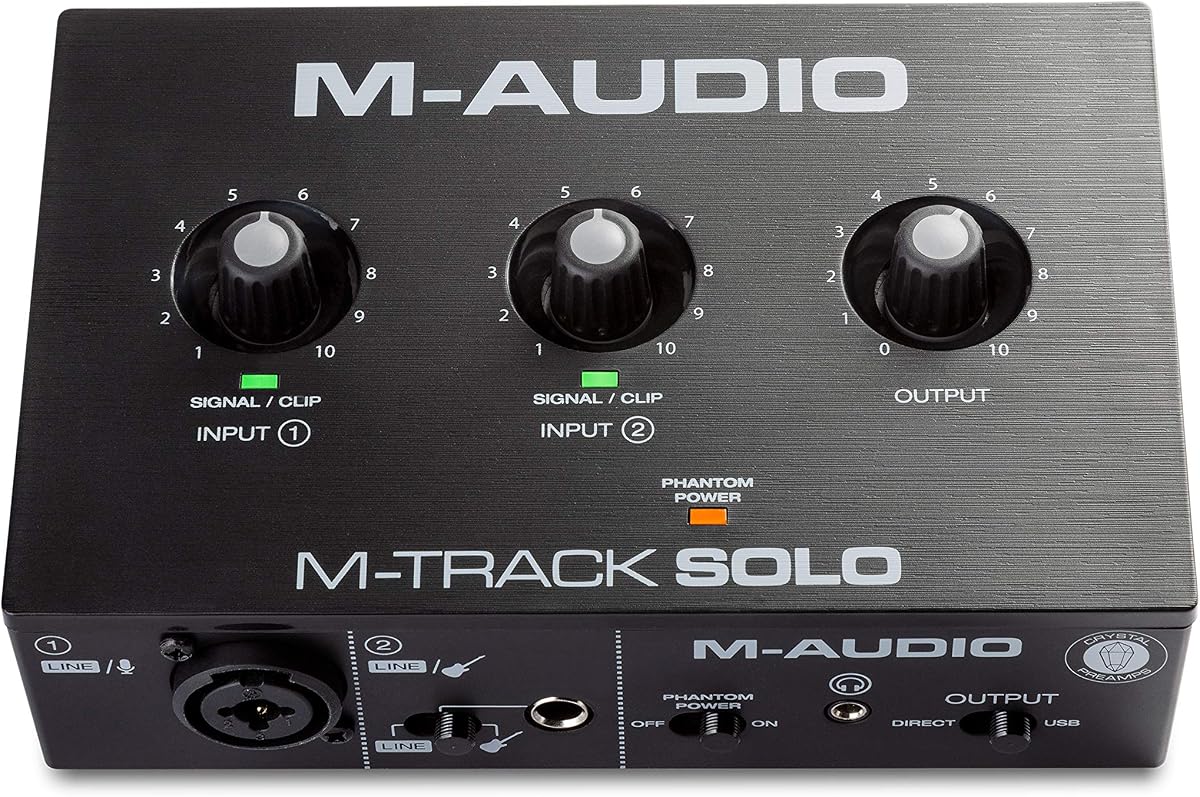
The M-AUDIO M-Track Solo is designed for solo recording. It provides a single combo input which is perfect for solo guitarists who need vocals too. The preamp guarantees optimal sound quality.
We may earn a commission when you buy through this link, at no additional cost to you.
It includes RCA outputs for connecting to monitors. The USB switch gives you control over monitoring. MPC Beats software helps with basic production tasks.
With only one input, you cannot record simultaneously with a second mic. It is less versatile for bands but ideal for individuals working alone.
If you need a no-fuss interface for solo projects, this is a reliable choice. It offers quality sound in a small footprint at a low price.
Perfect for artists recording voice and guitar alone without needing extra inputs.
The transparent preamp ensures your signals remain clean and detailed.
We may earn a commission when you buy through this link, at no additional cost to you.
The Arturia MiniFuse 1 is more than just an audio interface. It includes MIDI ports which allow you to connect keyboards and controllers. The loopback feature is useful for streaming.
We may earn a commission when you buy through this link, at no additional cost to you.
Arturia offers a generous five-year warranty ensuring long-term reliability. The included software suite is comprehensive with many pro tools. The sound quality matches its competitors.
It has only one audio input so you cannot track multiple sources at once. But the MIDI integration makes it a hub for creative production.
For musicians who use MIDI and want strong support, this is a standout option. It balances audio quality with connectivity features effectively.
Connect synths and controllers directly without needing extra interfaces.
Five years of coverage ensures peace of mind for long-term use.
We may earn a commission when you buy through this link, at no additional cost to you.
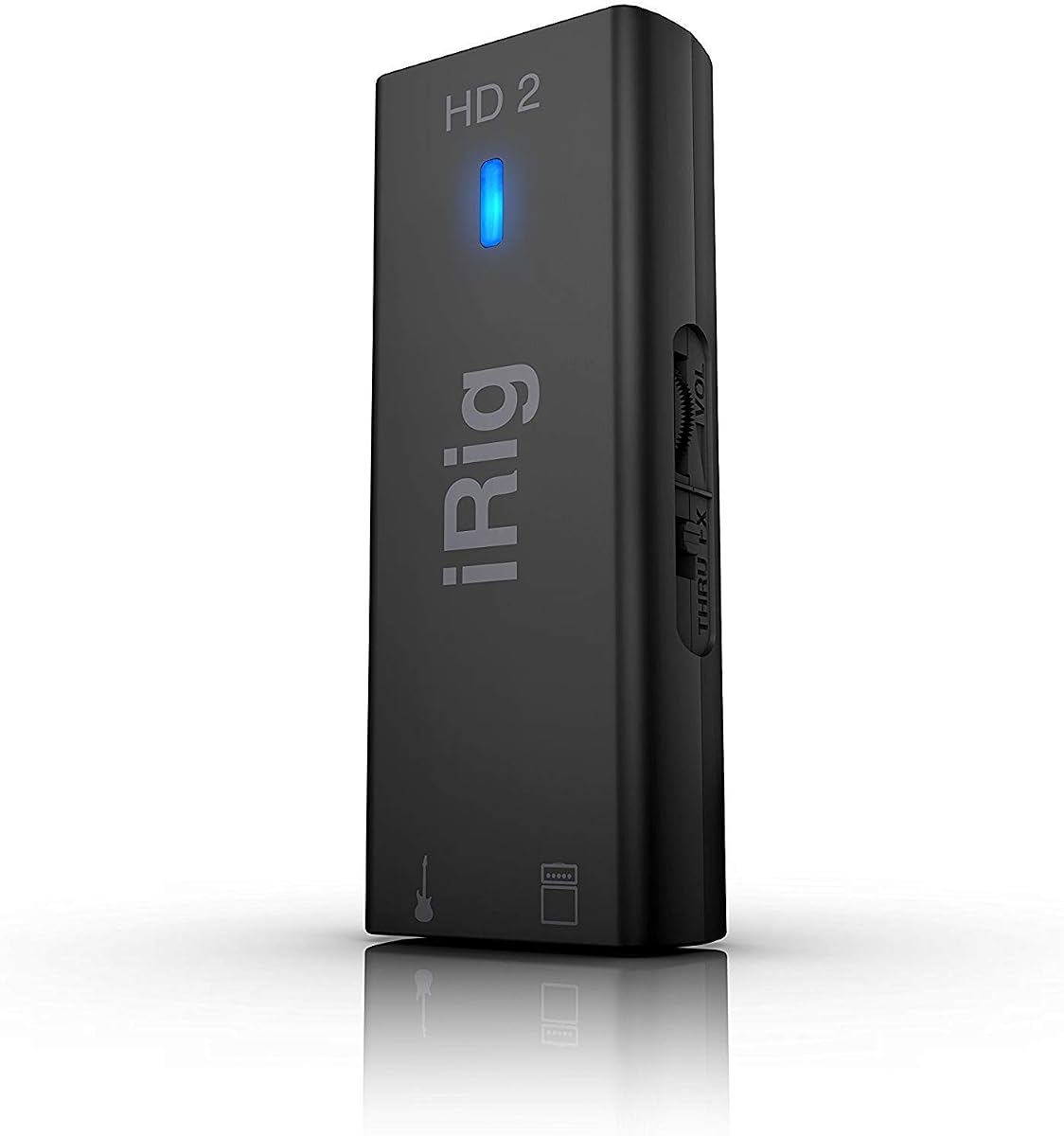
The IK Multimedia iRig HD 2 is known for its high sampling rate. It captures details up to 96kHz which is excellent for clarity. It works with both Lightning and USB-C devices.
We may earn a commission when you buy through this link, at no additional cost to you.
Its Amp output lets you run signals to pedals. The switchable FX lets you decide on processing. The build quality is rugged for travel.
It does not include loopback which limits streaming use. The price is higher than some competitors but the fidelity justifies it.
For iOS users wanting top quality mobile recording, this interface is a leader. It delivers studio-grade sound in a portable design.
Capture high-frequency details that might otherwise be lost with lower rates.
Support for both Lightning and USB-C ensures compatibility with newer and older devices.
We may earn a commission when you buy through this link, at no additional cost to you.
Selecting the right interface depends on your recording goals. Consider inputs, resolution, connectivity, and software needs before buying.
Look for Hi-Z instrument inputs designed specifically for guitars. These prevent signal loss and ensure your tone remains accurate.
Having combo XLR/TRS inputs allows you to connect microphones for vocals.
Higher resolution like 24-bit/96kHz provides better dynamic range. This is crucial for preserving the nuances of guitar playing.
For most home users 24-bit/48kHz is sufficient but higher rates offer future-proofing.
Zero-latency monitoring is essential for real-time recording. It lets you hear your guitar without delay.
Interfaces with a direct mix control allow you to blend your dry signal with software effects.
USB-C is now standard for modern Macs and PCs. It provides fast data transfer and power.
Check for compatibility with your devices especially if you plan to record on tablets or phones.
Many interfaces include DAW software which saves money. Look for industry-standard tools like Ableton or Pro Tools.
Software plugins like amp simulators can give you tones without needing hardware pedals.
A durable chassis ensures longevity if you transport gear. Metal construction resists wear during travel.
Ergonomic knobs and clear labels make operation intuitive during fast sessions.
Entry-level units cost less but may lack features. Premium models offer better preamps and resolution.
Balance your budget against long-term needs to find the best value.
Connect the interface directly to your computer's USB-C port. Install any drivers if required to ensure stable performance.
Set the gain level so your input peaks but does not clip. Use the monitoring controls to balance your guitar and software signals.
Store your interface in a dry place and avoid dropping it. Clean the inputs with a dry cloth to prevent dust buildup.
Yes, a standard line input cannot handle the guitar signal. An interface provides the necessary impedance and preamp. It ensures your tone is captured accurately.
Hi-Z stands for High Impedance. It is designed specifically for instruments like guitars. Using it prevents signal loss and high-end drop-off.
Many models support mobile devices via USB-C or adapters. Check compatibility lists before purchasing to ensure it works with your phone.
Class-compliant interfaces work without drivers on modern systems. Others may need specific drivers for ASIO support on Windows.
Most include DAW software like Ableton or Pro Tools. They also provide plugins and amp simulators to start recording immediately.
Loopback lets you record system audio like game sounds. It is vital for streaming or creating tutorials with computer audio.
We have reviewed ten models that offer excellent performance for guitarists. The Focusrite Scarlett Solo is a standout for balanced quality.
Prioritize inputs and monitoring features that match your workflow. Budget options like the JOYO MOMIX CAB also perform well for mobile use.
Remember to check current availability before purchasing. Each model brings unique strengths to help you capture your best sound.