
Windows 11 Laptop i3
4.5Editor score
Intel Core i3 processor
12GB RAM included
Lightweight portable design
This guide compares the top laptops for engineering students in October 2026 focusing on performance portability battery life and value for demanding academic
Engineering students require machines that handle complex simulations coding and design software without lag. A good laptop balances power portability and battery life to support long days on campus or in the lab.
We evaluated ten models based on processor speed memory capacity display quality and connectivity. Our list covers budget friendly options and higher performance machines suited for mechanical electrical and software engineering majors.
Each pick shows key specs real world usability and value. Prices and availability change frequently so verify details before purchasing to ensure you get the right tool for your specific engineering curriculum needs.
4.5Editor score

4.6Editor score

4.6Editor score
This table offers a side by side overview of all ten models highlighting their core specifications to help you quickly identify which device matches your academic requirements.




This Lenovo laptop delivers top tier performance for engineering tasks with its 13th Gen i7 processor and 24GB of RAM. It earns our Editor's Choice for handling demanding software like CAD and simulation tools smoothly.
We may earn a commission when you buy through this link, at no additional cost to you.
The 1TB NVMe SSD ensures quick access to large project files and fast boot times. Its MIL-STD-810H testing means it can withstand the rigors of daily campus life and travel to labs.
While it is slightly heavier than ultrabooks the build quality and performance justify the weight. The included expansion dock adds extra ports which is helpful for connecting peripherals during presentations.
Buy this if you need raw power for complex engineering workloads and prioritize reliability. It is a solid investment for students in mechanical or electrical engineering who run resource intensive applications.
The 10 core processor handles multitasking and heavy computations without slowdowns.
Military standard certification ensures the device survives drops and bumps during commutes.
We may earn a commission when you buy through this link, at no additional cost to you.
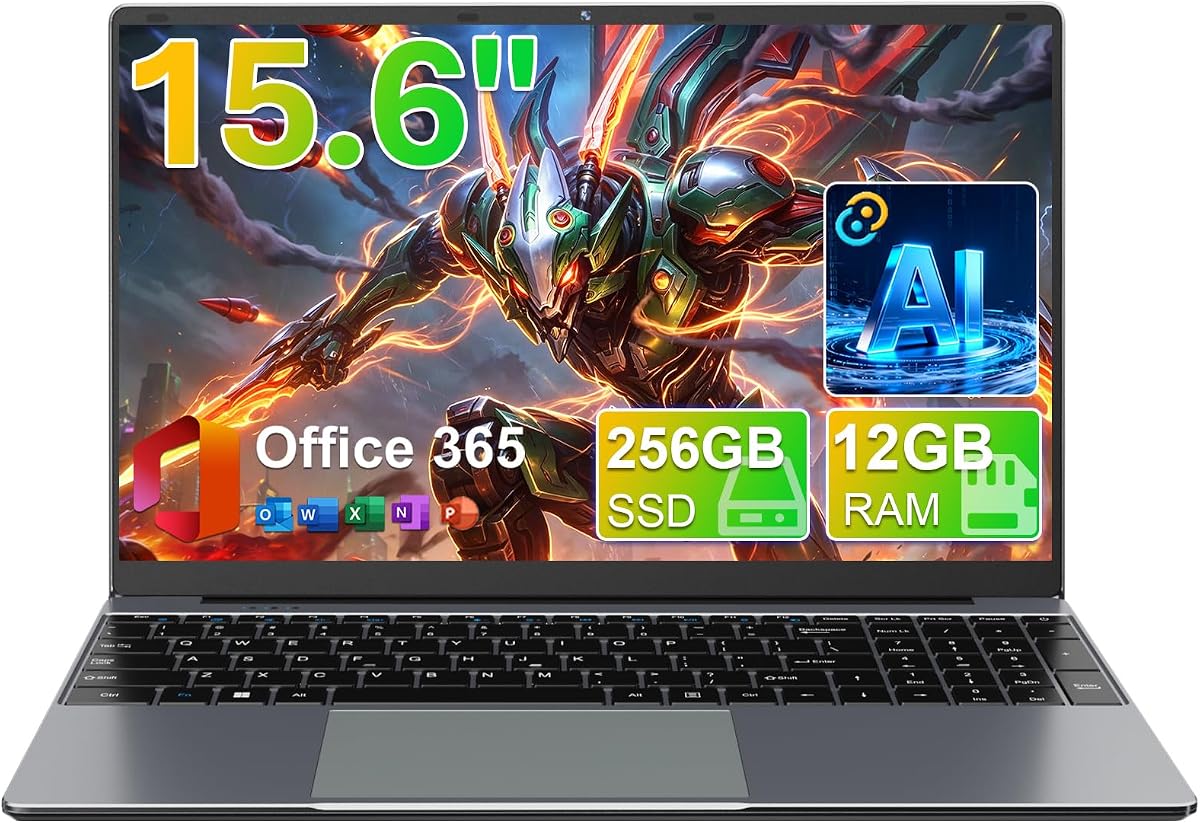
This budget friendly model offers surprising capability with 12GB of RAM and a decent SSD. It is ideal for students who need a reliable machine for coding and writing without breaking the bank.
We may earn a commission when you buy through this link, at no additional cost to you.
The 15.6 inch FHD screen provides clear visuals for reading technical diagrams and attending online classes. Its light weight makes it easy to carry around campus all day without strain.
Integrated graphics mean it may struggle with heavy 3D rendering but is sufficient for basic tasks. The backlit keyboard is a nice touch for late night study sessions in dim libraries.
Choose this if you are on a tight budget but still need a capable Windows machine. It handles everyday engineering coursework well and leaves room in your wallet for textbooks.
Provides essential specs like ample RAM at a very competitive price point.
Weighs just 3.6 lbs making it effortless to carry between lectures.
We may earn a commission when you buy through this link, at no additional cost to you.
This HP model stands out with its large 17.3 inch display which is perfect for multitasking across multiple windows. The Windows 11 Pro OS adds enterprise grade security and management tools.
We may earn a commission when you buy through this link, at no additional cost to you.
The 16GB RAM and 1TB SSD offer plenty of room for large datasets and applications. Fast charging ensures you can top up your battery quickly between classes if you are rushing.
The larger size means it is less portable but provides a desktop-like experience when docked. This is excellent for students who prefer a bigger screen for detailed engineering drawings.
Invest in this if you want a premium experience with a large workspace. It is best suited for those who use their laptop primarily at a desk or in a quiet study area.
The 17.3 inch screen allows side by side viewing of code and documentation.
Windows 11 Pro offers better security and network management for research work.
We may earn a commission when you buy through this link, at no additional cost to you.
This HP laptop brings AI features and Office 365 into the mix at a reasonable cost. It is a strong contender for general college work and light engineering programming tasks.
We may earn a commission when you buy through this link, at no additional cost to you.
The Intel N150 processor is efficient for web browsing and document editing. However the 128GB storage may fill up quickly if you store many videos or large files locally.
It is very light which helps with portability around campus. The HD screen is adequate for text but might lack clarity for detailed graphics work.
Consider this if you need a secondary machine for notes and emails. It is less suited for heavy engineering software but great for productivity and online classes.
Includes Microsoft Office 365 for immediate use on school assignments.
Built in Copilot helps with drafting and research tasks efficiently.
We may earn a commission when you buy through this link, at no additional cost to you.
This model offers 16GB of RAM which is rare at this price point allowing for many open browser tabs. The storage solution combines eMMC with a docking station for flexibility.
We may earn a commission when you buy through this link, at no additional cost to you.
The Celeron processor is better suited for web based work than heavy compilation. If your coursework relies on cloud tools or online IDEs this machine will perform adequately.
The included Office 365 subscription adds value for students who need document creation tools. The blue color is distinctive and the design is sleek for everyday carry.
Pick this if you need multitasking power on a budget but do not need raw CPU speed. It is a great companion for research and writing phases of engineering projects.
Sixteen gigabytes of RAM keeps multiple apps running smoothly without lag.
Docking station adds extra storage space for large academic files.
We may earn a commission when you buy through this link, at no additional cost to you.
This lightweight laptop is designed for mobility with a slim profile and long battery life. It uses the latest Copilot AI features to assist with daily student tasks.
We may earn a commission when you buy through this link, at no additional cost to you.
The 4GB RAM may be a bottleneck for heavy multitasking but works well for single app use. The anti glare screen helps during long study sessions under bright lights.
Portability is a key strength here as it fits easily into small backpacks. The design is professional and suitable for presentations or meeting with advisors.
This is best for students who prioritize weight and battery over raw power. It is ideal for note taking and reading rather than running complex simulations.
Slim profile and low weight make it easy to carry all day.
Anti glare coating reduces eye strain during long reading sessions.
We may earn a commission when you buy through this link, at no additional cost to you.
This laptop stands out with an IPS display which offers better viewing angles than standard TN panels. The 180 degree hinge allows for easier sharing of your screen with peers.
We may earn a commission when you buy through this link, at no additional cost to you.
It includes an AI Assistant to help with writing and tasks which saves time on admin work. The 12GB RAM is a generous amount for a machine at this price.
While the processor is older it handles basic engineering coursework adequately. The IPS screen makes a difference for visual comfort when reviewing charts or diagrams.
Buy this if visual quality and shareability are priorities for you. It is a good middle ground option for students who need a balance of features and cost.
IPS panel ensures colors remain consistent from different viewing positions.
180 degree hinge lets you lay the screen flat for presentations.
We may earn a commission when you buy through this link, at no additional cost to you.
This model is built for reliability and standard daily tasks like email and web research. It integrates Microsoft Copilot to streamline work and boost productivity automatically.
We may earn a commission when you buy through this link, at no additional cost to you.
The 4GB RAM is the main limitation here so keep tabs to a minimum. The inclusion of an SD card reader makes it easier to move files without extra dongles.
It is a solid choice for general education needs where heavy engineering software is not used daily. The design is clean and professional looking for any campus setting.
Choose this if you need a no fuss computer for coursework and research. It is a good backup or second machine for students who have a main desktop.
Copilot helps automate drafting and research tasks efficiently.
SD card reader allows quick file transfers from cameras or drives.
We may earn a commission when you buy through this link, at no additional cost to you.
Dell brings its reputation for reliability with a model featuring an Intel Core i5. The ComfortView technology reduces blue light to keep your eyes comfortable during long study hours.
We may earn a commission when you buy through this link, at no additional cost to you.
It includes a numeric keypad which is helpful for data entry and financial calculations. The 1 Year Onsite Service provides peace of mind against hardware failures during semesters.
Battery life is optimized to support extended periods away from a charger. The design is standard but functional with a layout that supports quick typing.
This is a safe bet for students who want a proven brand with support. It handles general engineering tasks well and offers good value with its service warranty.
ComfortView software reduces blue light to lower eye strain.
Onsite service ensures quick repairs if hardware issues arise.
We may earn a commission when you buy through this link, at no additional cost to you.
This model is designed for simplicity offering a straightforward experience for students. It includes AI Noise Reduction to help you communicate clearly during online meetings or classes.
We may earn a commission when you buy through this link, at no additional cost to you.
The lightweight build makes it easy to slip into a bag for travel. While not a power house it handles web based engineering courses and documents without issue.
The HD camera is clear enough for professional looking video calls with professors. It is a practical choice for those who do not need high end graphics processing.
Opt for this if you want a no frills reliable laptop. It serves well for online learning and basic coursework without unnecessary complexity or weight.
AI Noise Reduction filters background noise for better calls.
Slim design ensures it is easy to take anywhere on campus.
We may earn a commission when you buy through this link, at no additional cost to you.
Choosing the right laptop depends on your major and the software you will use. This guide breaks down the key factors to consider.
Engineering software like AutoCAD or MATLAB often requires a strong processor. Look for Core i5 or higher for most major. Avoid entry level chips if you plan to run simulations.
Prioritize a multi core CPU to ensure smooth performance during complex calculations and multitasking.
8GB of RAM is the minimum but 16GB or more is better for heavy workflows. This allows you to keep multiple programs open without slowing down.
Choose higher RAM to prevent lag when working on large design files or compiling code.
A solid state drive SSD is essential for fast boot times and file access. Aim for at least 512GB to store your projects and course materials comfortably.
Ensure you have enough SSD space for all your engineering files and software installations.
A high resolution screen helps you see details in diagrams and schematics. Look for Full HD 1920×1080 or better to reduce eye strain.
Select a display with good color accuracy and resolution for detailed visual work.
If you carry your laptop to classes daily weight matters. Aim for under 4 lbs to avoid carrying a heavy load all day.
Choose a lighter model if you prioritize ease of transport over screen size.
Long battery life keeps you productive between charging sessions. Look for a laptop that lasts at least 8 hours on a single charge.
Prioritize models with strong battery endurance to last through full days on campus.
Engineering work often requires connecting to projectors or external monitors. Ensure the laptop has HDMI or USB-C with DisplayPort support.
Check for ample ports to connect all your peripherals without needing extra adapters.
Some engineering programs run only on Windows. Verify that your chosen laptop supports the software required by your curriculum.
Confirm the operating system matches the requirements of your specific engineering software.
Keep your laptop on a hard flat surface to ensure proper ventilation. Avoid soft surfaces like beds where the fans might get blocked causing overheating during use.
Use a protective case or sleeve when transporting your device. This prevents scratches and minor impacts while you move between different buildings on campus.
Regularly update your operating system and drivers for best performance. This ensures security and compatibility with the latest engineering tools and platforms.
Not necessarily. While gaming laptops have strong graphics they are often heavy and expensive. A powerful productivity laptop with a good CPU and RAM is usually sufficient for most engineering tasks.
16GB is the sweet spot for most students. It allows for smooth multitasking and running resource hungry apps. If you have a larger budget 32GB provides even more headroom.
For many students 512GB is adequate if you use cloud storage for large files. However if you store many large project files locally consider upgrading to 1TB for more space.
MacBooks are good for coding and design but some specific engineering software is Windows only. Check your syllabus for software requirements before choosing a Mac.
Screen size matters for productivity. A 15 inch or larger screen makes it easier to view code and drawings side by side. Smaller screens can feel cramped for complex work.
Look for at least 8 hours of battery life. This ensures you can go through a full day of classes without hunting for an outlet to keep working.
The Lenovo model with i7 stands out as our top pick for pure performance. It balances speed and durability for the demands of modern engineering education.
Consider your budget and needs when selecting. Budget models like the Windows 11 i3 offer great value for basic tasks while premium options provide more power.
Prices and specs change often so check current listings before buying. Ensure your choice aligns with the software tools you need for your specific major.