
UGREEN 2K@30Hz 1080P 60FPS Video Capture Card 4K Input HDMI to USB 3.0
4.5Editor score
Supports Linux systems natively
Low latency 5 Gbps transfer
4K input with 2K output
This guide compares the top capture cards for Linux systems, evaluating performance, compatibility, and features to help streamers find the ideal hardware
Finding the right capture card for Linux can be challenging due to driver limitations. This guide highlights models known for broad support and smooth performance on open-source operating systems.
We evaluated each device based on compatibility with OBS, video quality, latency, and ease of setup. The list includes options ranging from budget-friendly to premium professional gear for diverse needs.
Each pick showcases specific strengths for Linux users, from plug-and-play functionality to high-resolution support. Note that availability and compatibility details may change, so check current specs before purchasing.
4.5Editor score

4.0Editor score

4.2Editor score
The following table provides a side-by-side comparison of all ten capture cards evaluated in this guide. It highlights key specifications such as resolution support, interface types, and specific features relevant to Linux users.





The acer USB 3.0 HDMI Capture Card stands out as a strong option for Linux users seeking reliable performance without complex setups. It carries a solid rating and delivers smooth video capture essential for streaming and recording tasks.
We may earn a commission when you buy through this link, at no additional cost to you.
Its support for 4K input with 1080P 60Hz output ensures that high-quality sources are captured efficiently. The YUY2 technology provides richer colors compared to MJPEG, enhancing visual fidelity for live streams. This device pairs well with OBS and other recording software on Linux systems.
While the 4K output is limited compared to some premium models, the low latency ensures real-time feedback is crucial for gaming. The included microphone input simplifies commentary setup without needing extra adapters, which streamlines the overall workflow for content creators.
This capture card is ideal for Linux users who prioritize ease of use and cost-effectiveness. It suits gamers, teachers, and creators needing a portable solution. For those seeking consistent 1080P streaming without driver issues, this model is a reliable choice.
The YUY2 technology ensures lifelike colors during streaming, reducing the need for post-processing adjustments.
Direct microphone support allows synchronized voice commentary without additional hardware or complex audio routing.
We may earn a commission when you buy through this link, at no additional cost to you.
The UGREEN 4K@30Hz Loop Out HDMI Capture Card offers an excellent entry point for Linux users on a budget. It balances performance and price well, capturing 2K resolution at 30 frames per second which is sufficient for many casual streamers.
We may earn a commission when you buy through this link, at no additional cost to you.
Its 4K input and HDMI loop-out allow for high-quality source management and real-time preview. This feature ensures immediate reactions during gaming sessions without lag. The aluminum casing aids in heat dissipation, promoting stability during extended use on Linux machines.
The dual USB-A and USB-C ports provide flexibility for connecting to various modern devices. While 4K capture is not supported, the 2K output delivers sharp detail. This card works seamlessly with OBS and other standard streaming software on Linux.
For budget-conscious creators, this model provides reliable performance without sacrificing essential features. It is suitable for recording gameplay from consoles or streaming via Linux. Its plug-and-play nature simplifies setup for users preferring minimal technical barriers.
Support for both USB-A and USB-C ensures connection compatibility with a wide range of laptops and desktops.
The loop-out feature enables zero-latency preview, crucial for interactive streaming where immediate feedback is needed.
We may earn a commission when you buy through this link, at no additional cost to you.
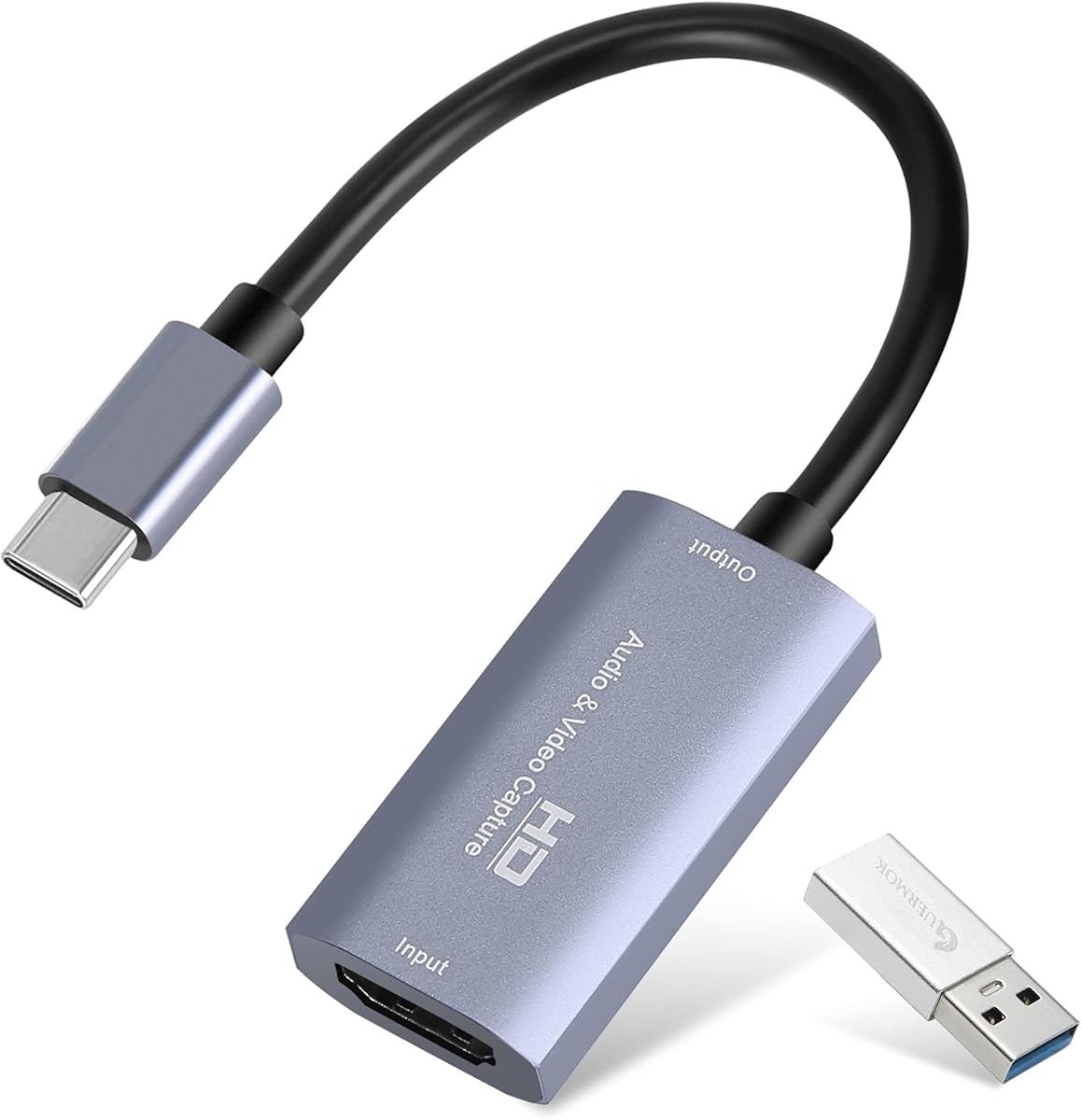
The Guermok Video Capture Card is recognized for its reliable performance on Linux systems. It features a robust aluminum alloy body that aids heat dissipation, ensuring stable operation during long streaming sessions. Users appreciate its plug-and-play design requiring no additional drivers.
We may earn a commission when you buy through this link, at no additional cost to you.
This card supports 1080P at 60 frames per second with ultra low latency for real-time preview. This is vital for gamers who need responsive feedback while broadcasting. It connects easily via USB-C and USB 3.0 interfaces to most modern computers.
While it is compact and lightweight making it ideal for outdoor streams or travel, it relies on third-party capture software to function. The included adapter options ensure compatibility across different port types. This model suits users needing a portable solution for Linux.
Ideal for content creators focusing on video conferencing or gaming on Linux, this card delivers consistent quality. It avoids the hassle of driver installations and focuses on smooth signal transmission. For those seeking a balance of portability and performance it is a strong contender.
The aluminum alloy casing effectively dissipates heat maintaining performance during prolonged recording or streaming tasks.
Lightweight and small enough to fit in a bag it enables creators to stream or record from anywhere easily.
We may earn a commission when you buy through this link, at no additional cost to you.
The Newhope USB 3.0 HDMI Capture Card is designed for simplicity and ease of use on Linux. It captures video at 1080P 60FPS with low latency making it suitable for live gaming and conferencing. Its plug and play nature means no driver installations are necessary.
We may earn a commission when you buy through this link, at no additional cost to you.
It includes a real-time HDMI loop-out allowing users to play on an external display while capturing. This feature ensures no delay in gameplay experience during broadcasts. The microphone input enables direct commentary adding value for streamers who need audio without extra gear.
While it only accepts 3.5mm TRS standard microphone headsets which limits some high-end setups, it covers most basic needs. The lack of external power requirements enhances portability. Linux users can rely on it working with standard tools like OBS and VLC.
This card is perfect for those wanting a hassle-free experience without compromising on basic quality. It suits casual streamers and educators needing reliable video capture. Its straightforward design ensures quick setup and consistent performance for everyday use on Linux systems.
The HDMI loop-out port lets gamers play without delay while the audience watches the broadcast simultaneously.
Built-in microphone input simplifies adding voice commentary directly to the stream without needing separate adapters.
We may earn a commission when you buy through this link, at no additional cost to you.
This Capture Card 4K HDMI Video Streaming model is engineered for creators who prioritize portability. It captures video at 1080P 60FPS ensuring smooth playback for YouTube or Twitch. Its design is lightweight making it easy to toss in a bag for travel.
We may earn a commission when you buy through this link, at no additional cost to you.
It features seamless passthrough allowing users to play games without lag while capturing. This ensures a real-time viewing experience for both the streamer and the audience. Low latency performance makes it suitable for competitive gaming scenarios.
As a plug-and-play device it works instantly without external power or drivers. This simplifies the workflow for users on Linux who want immediate results. While it lacks advanced features it covers the core needs of streaming and recording efficiently.
Ideal for creators who travel or switch setups often this card provides reliable performance. It supports various devices including consoles and DSLRs making it versatile. For those needing a simple and effective solution Linux this model delivers value without complexity.
Its compact size allows creators to stream or record at events LAN parties or any location with ease.
The passthrough capability ensures gameplay remains uninterrupted during capture providing a smooth experience.
We may earn a commission when you buy through this link, at no additional cost to you.
The UGREEN 2K@30Hz 1080P 60FPS Video Capture Card offers great value for Linux users requiring high data rates. It supports 4K input preserving original quality for post-production while delivering 2K output for compatibility. Its 5 Gbps transfer speed ensures low latency performance.
We may earn a commission when you buy through this link, at no additional cost to you.
This device is backward compatible with USB 2.0 and works well on Linux systems. The aluminum alloy casing provides heat dissipation and shields against electromagnetic interference. This ensures stable signal transmission during extended sessions.
Both USB-A and USB-C ports allow broad compatibility with modern laptops and desktops. It supports major streaming software like OBS and VLC making setup intuitive. While 2K output is standard it provides a solid balance between clarity and system requirements.
For users needing reliable performance without premium pricing this model is ideal. It suits gamers and streamers who want consistent capture. Its driver-free operation simplifies the workflow making it accessible for various skill levels on Linux.
The 5 Gbps data transfer ensures video streams are processed quickly reducing delays during live broadcasts.
Built-in shielding and aluminum casing maintain signal integrity reducing potential disruptions during recording.
We may earn a commission when you buy through this link, at no additional cost to you.
The 4K HDMI Capture Card USB 3.0 offers enhanced monitoring features for Linux users. It supports 4K at 60Hz input ensuring sharp visuals and includes headphone output for audio synchronization. This is useful for creators needing precise audio-visual alignment.
We may earn a commission when you buy through this link, at no additional cost to you.
Its plug and play design requires no drivers and works instantly on Linux systems. The package includes necessary cables reducing the need for additional purchases. This makes it a comprehensive solution for starting a streaming setup quickly.
While the output resolution is limited to 2K the input support allows for high-quality post-production. It is compatible with various consoles and cameras expanding its utility. The included warranty adds peace of mind for long-term use.
Ideal for content creators focusing on quality audio and video synchronization this card is a top choice. It supports streaming platforms like Twitch and YouTube reliably. For those wanting a complete package with monitoring tools this model stands out.
Headphone output allows real-time audio monitoring keeping voice and gameplay perfectly synchronized.
Includes all necessary cables and manuals ensuring immediate setup without additional accessory purchases.
We may earn a commission when you buy through this link, at no additional cost to you.
The AVerMedia StreamLine MINI+ GC311G2 brings premium features to Linux users with its HDR passthrough. It captures 1080p60 while passing through 4K60 HDR ensuring stunning visuals on external displays. Ultra-low latency ensures near-instant response for real-time gameplay.
We may earn a commission when you buy through this link, at no additional cost to you.
It supports multiple video formats like NV12 and YUY2 matching different workflows. The Streaming Center app simplifies setup to just three steps. This makes it accessible for beginners while offering enough control for pros on Linux.
While it requires HDCP to be disabled on consoles it ensures smooth recording. The device works with OBS and other software seamlessly. Its plug and play nature minimizes technical hurdles allowing users to focus on content creation.
Ideal for high-end streaming needs this card offers unmatched performance in its class. It suits gamers seeking HDR quality without lag. For those willing to adjust console settings this model delivers a robust and reliable capture experience.
The 4K60 HDR passthrough lets viewers enjoy vibrant colors and high dynamic range during gameplay.
Multiple video format options allow users to choose the best balance of quality and file size.
We may earn a commission when you buy through this link, at no additional cost to you.
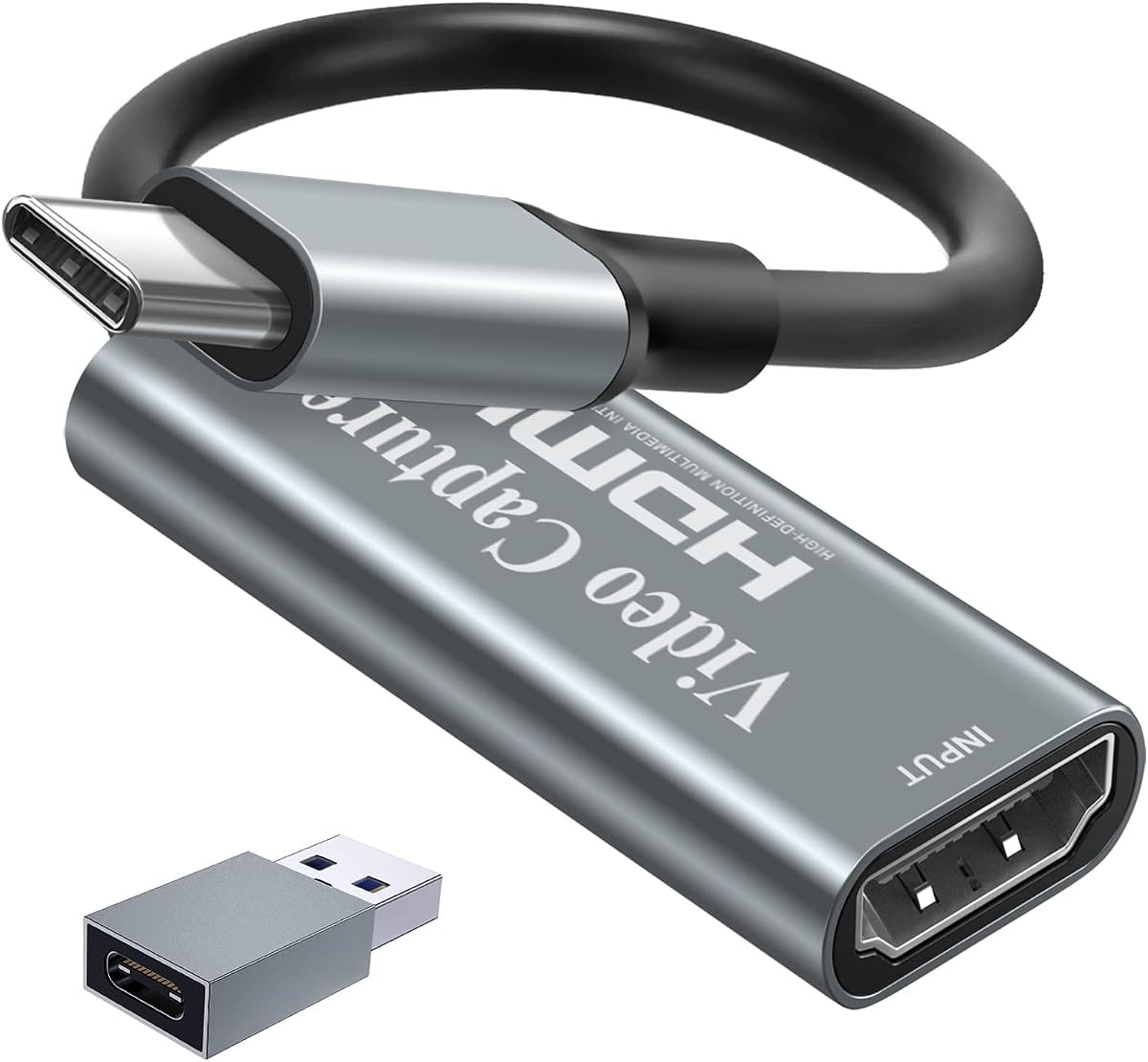
The Papeaso Video Capture Card offers an affordable entry point for Linux users. It supports 4K input and records at 1080P 60FPS ensuring fluid video without freezing. This reliability makes it suitable for live broadcasts and online meetings.
We may earn a commission when you buy through this link, at no additional cost to you.
Its USB-C end enhances compatibility with modern laptops and tablets. The card works seamlessly with major streaming software like OBS and VLC on Linux. It does not require drivers simplifying the setup process significantly.
While the build is basic it covers essential needs for recording from consoles and cameras. It avoids technical hiccups often associated with cheaper models. This ensures a consistent experience for streamers on a budget.
Ideal for beginners or casual creators needing a reliable capture tool this model delivers value. It supports various devices including PS4 and Xbox making it versatile. For those needing a simple solution without advanced features it is a solid option.
The card ensures fluid 1080P recording without freezing making it ideal for continuous streaming sessions.
USB-C connectivity aligns with modern device ports reducing the need for multiple adapters.
We may earn a commission when you buy through this link, at no additional cost to you.
The AVerMedia Live Gamer Ultra S GC553Pro is designed for professional Linux users seeking top-tier capture. It captures 4K60 HDR ensuring stunning visual fidelity for high-end streaming. Its VRR passthrough supports variable refresh rates for smooth gameplay.
We may earn a commission when you buy through this link, at no additional cost to you.
This model includes 5.1 audio capture enhancing the immersive experience of recordings. It works with OBS and streaming platforms seamlessly. The support for ultrawide resolutions makes it versatile for diverse gaming setups on Linux.
While the price point is higher it justifies the advanced features. It suits content creators needing professional-grade output. The build quality ensures stability during long sessions making it a reliable choice for serious streamers.
Ideal for professional broadcasters or enthusiasts this card offers unmatched performance. It captures unencrypted HDMI from modern consoles and PCs effectively. For those prioritizing quality over cost this model delivers the best results on Linux.
Capturing 4K60 HDR content ensures broadcast-quality visuals that stand out in any streaming library.
VRR support enables smooth gameplay on screens with varying refresh rates reducing screen tearing issues.
We may earn a commission when you buy through this link, at no additional cost to you.
Selecting the right capture card for Linux involves understanding compatibility requirements and hardware capabilities. This section breaks down essential factors to consider for an informed decision.
Linux support varies across devices so check if the capture card is listed as compatible with your distribution. UVC compliant devices usually work without drivers but proprietary software may limit features. Verify community feedback on specific Linux kernels to ensure stability.
Ensure the card works natively with your Linux distribution before purchasing to avoid compatibility headaches.
Determine your recording needs based on resolution and frame rate support. While 1080P 60Hz is standard for streaming 4K inputs allow better post-production options. Ensure your USB ports match the bandwidth requirements for high resolutions.
Match the capture card's resolution capabilities to your streaming or recording goals for optimal performance.
Low latency is critical for gaming and live commentary to maintain sync between video and audio. Check for HDMI loop-out features that allow real-time preview without lag. High-performance chips reduce processing delays ensuring a smooth experience.
Prioritize low latency models to prevent noticeable delays during live broadcasts or gaming sessions.
USB 3.0 is recommended for high-speed data transfer but USB-C offers modern connectivity. Ensure your computer has the correct ports or adapters to avoid bottlenecks. Some cards include both interfaces for broader compatibility.
Select a capture card with an interface that matches your system's ports to ensure optimal data throughput.
Microphone input allows direct commentary without extra adapters simplifying your setup. Check for audio sync capabilities to ensure voice matches video perfectly. Some cards offer 5.1 audio support for high-fidelity sound.
Look for built-in audio inputs if you plan to add commentary directly during recording sessions.
Ensure the card works with popular Linux streaming software like OBS or VLC. Some brands provide dedicated apps that may have limited Linux support. Universal UVC drivers offer broader compatibility across various applications.
Verify that the capture card is compatible with your preferred streaming and recording software.
Aluminum casings help dissipate heat during prolonged use preventing overheating. Durable construction ensures longevity especially if you travel with the device. Check for warranty coverage to protect your investment.
Choose a model with a sturdy build to ensure reliability during extended streaming sessions.
Balance features with price to find a card that meets your needs without overspending. Budget options often cover basic streaming but may lack advanced features. Premium models offer better build quality and higher resolutions.
Determine your budget early to find a capture card that offers the best value for your specific requirements.
Connect the capture card to your computer using a USB 3.0 port for optimal speed. Ensure the HDMI cable is plugged into both the source device and the capture card input.
Launch your streaming software and select the capture card as the video source. Adjust resolution settings to match the card's capabilities for the best quality output.
Keep the device in a well-ventilated area to prevent overheating during long sessions. Clean the ports periodically to maintain a secure connection and ensure stable performance.
Most modern capture cards use UVC drivers that are built into the Linux kernel so no additional software is needed. However, some premium models may offer proprietary tools that have limited Linux support. Always check product specs for confirmed compatibility.
This issue often stems from using a USB 2.0 port instead of 3.0 which limits bandwidth. Ensure your USB cable is functional and try a different port. If the issue persists check your kernel modules for video device support.
OBS Studio is the most widely supported open-source option for streaming and recording on Linux. Other tools like VLC or FFmpeg can also work for specific capture needs. Most capture cards integrate seamlessly with OBS without extra configuration.
While many capture cards support 4K input the actual output is often limited to 1080P or 2K. Check the specific product details for output resolution limits. Most budget and mid-range models focus on 1080P 60Hz for optimal streaming.
Standard high-speed HDMI cables work for most capture scenarios. Ensure the cable supports the resolution you plan to use. For 4K inputs using a certified high-speed cable helps prevent signal loss or dropouts.
Audio sync issues can be mitigated by using the card's built-in microphone input to keep audio and video paths aligned. In OBS you can adjust audio delay settings if needed. Ensuring low latency capture hardware also helps maintain synchronization.
Most capture cards are compatible with consoles like PS5 and Xbox provided HDCP is disabled. This security feature prevents unauthorized recording but can block signal flow. Check console settings for HDCP disable options before connecting.
With proper care capture cards can last several years of regular use. Avoid exposing them to moisture or extreme heat. Keeping firmware updated if supported ensures long-term reliability and performance.
The acer USB 3.0 HDMI Capture Card and UGREEN models offer excellent value for Linux users needing reliable 1080P performance. Budget options like Papeaso provide entry-level functionality without sacrificing core features for casual creators.
For professionals prioritizing HDR and 4K capabilities the AVerMedia Live Gamer Ultra S remains the top premium choice. It offers advanced features like VRR support that justify the higher investment for serious streamers.
Always verify current compatibility and features before purchasing as software updates may change device performance. Check your specific Linux distribution requirements to ensure a smooth setup process.