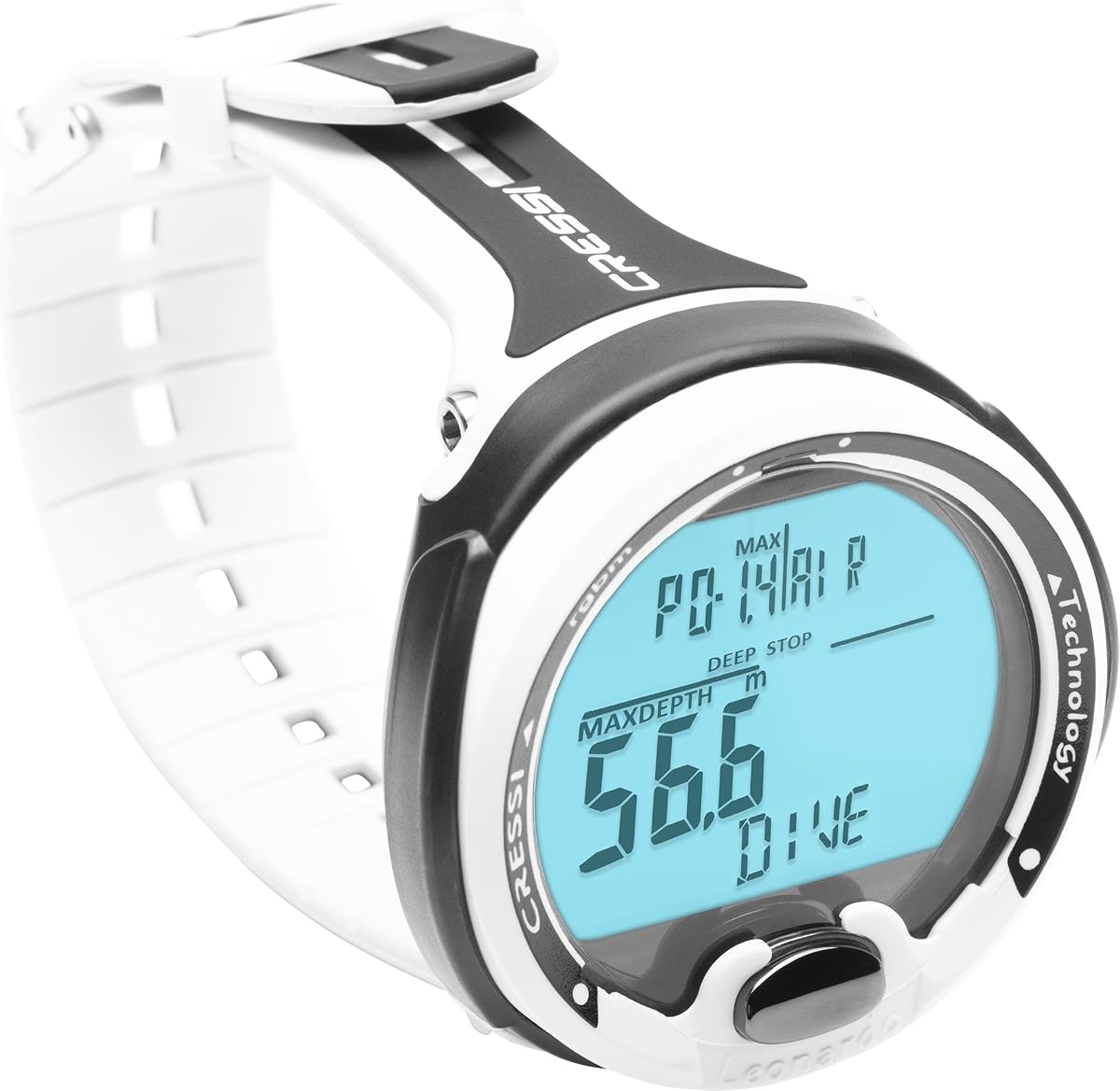
CRESSI Leonardo 2.0 G2 Dive Watch
4.2Editor score
Single button control
Air and Nitrox modes
Wireless data sync
Discover the top dive computers for beginners. Our guide compares features, usability, and safety tools to help new divers choose the perfect underwater device
Choosing your first dive computer is a critical step in starting your scuba journey. A good unit provides essential safety data like depth, time, and no-decompression limits. It helps you stay organized and focused on the underwater world rather than worrying about your limits.
We compared ten leading models based on ease of use, display clarity, battery life, and connectivity. Each option offers unique features tailored to new divers who need reliability without overwhelming complexity. Our analysis focuses on real-world usability and safety certifications.
Each pick highlights specific strengths like intuitive menus, robust build quality, or advanced tracking. Prices and availability change frequently, so verify details before purchasing. This guide ensures you select a computer that grows with your skills and keeps you safe underwater.
4.2Editor score

4.7Editor score

4.7Editor score
This side-by-side comparison helps you visualize the core capabilities of each model. We highlight key specifications to show how each unit balances simplicity with advanced features for growing divers.

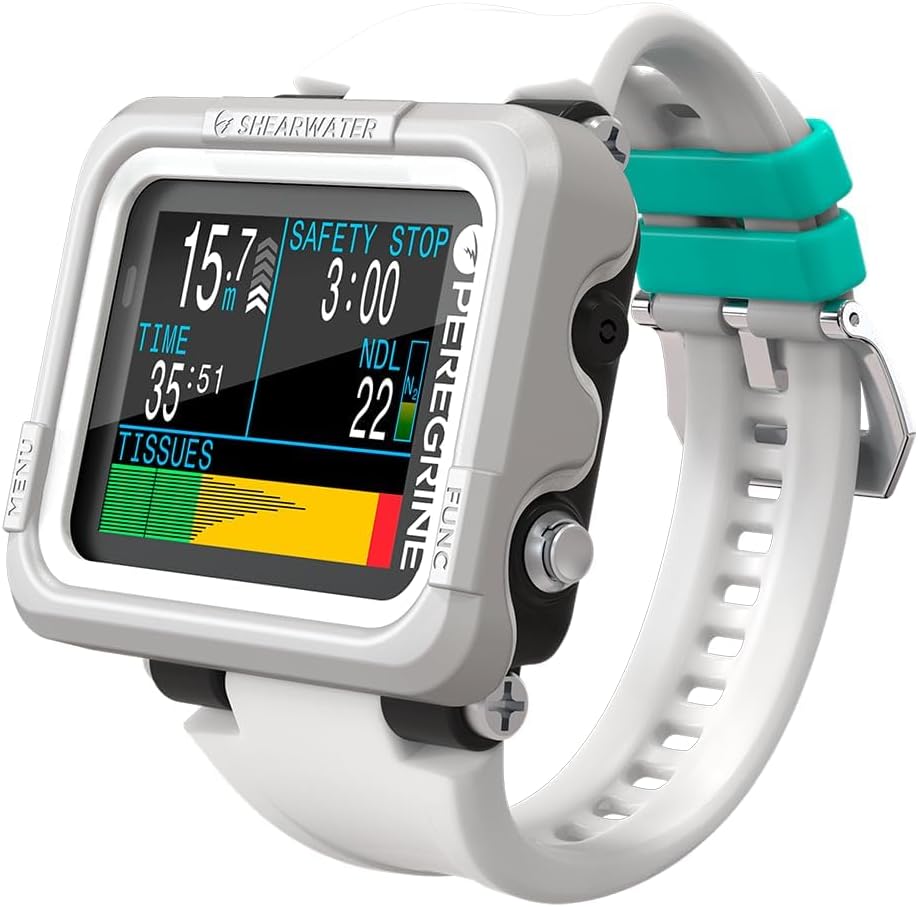


The Shearwater Research Peregrine stands out as a top choice for divers who value simplicity and reliability. With a 4.7 rating, it offers a robust two button interface that minimizes complexity during dives. Its state aware menu structure ensures you always know where you are in the system.
We may earn a commission when you buy through this link, at no additional cost to you.
Key strengths include the generous battery life which lasts up to 30 hours on medium brightness. The wireless charging station is included, making maintenance hassle free. The 316 stainless steel buttons provide durability and a premium feel that resists corrosion in salt water environments.
Trade-offs involve the price and reliance on the wireless charging station rather than replaceable batteries. However, the long charge life offsets frequent charging needs. This design ensures you spend less time maintaining gear and more time underwater exploring.
If you prioritize a clean interface and long term durability, this unit is a strong recommendation. It grows with your skills, offering advanced features without overwhelming you initially. It is an excellent investment for serious beginners planning frequent dives.
The state aware menu structure keeps controls straightforward even as you dive deeper.
Up to 30 hours of battery life ensures you are ready for multiple dives without recharging.
We may earn a commission when you buy through this link, at no additional cost to you.
The CRESSI Leonardo 2.0 is perfect for those seeking a straightforward and affordable dive computer. It supports Air and Nitrox modes, covering most recreational needs. The single button interface makes it incredibly easy to navigate underwater without fumbling.
We may earn a commission when you buy through this link, at no additional cost to you.
Its strengths lie in seamless device integration allowing you to pair with iOS or Android for tracking. Visual and audible alarms ensure you stay informed about critical dive data. The Italian craftsmanship brings a touch of elegance to a budget friendly tool.
While the display is simpler and customization is limited by the one button design, these trade-offs suit beginners well. It focuses on core safety features rather than advanced tech. This keeps the learning curve shallow for new divers.
Choose this model if budget is a primary concern and you want reliable safety monitoring. It provides all essential functions needed for entry level scuba diving. It is a great starting point before upgrading to more complex systems.
Navigate menus effortlessly with a single button optimized for underwater gloves.
Pair with smartphones to analyze dive logs and track your progress over time.
We may earn a commission when you buy through this link, at no additional cost to you.
The Garmin Descent X30 is a rugged option for divers who want extensive features and durability. It includes a surface GPS to mark entry and exit points. Its vibrant color display allows clear visibility of data even in bright conditions.
We may earn a commission when you buy through this link, at no additional cost to you.
Key strengths include NDL Aware depth metrics that show how depth changes affect your limits in real time. The 10 ATM rating and metal leakproof buttons ensure it handles deep dives. The use of recycled ocean bound plastics adds an eco friendly touch.
Trade-offs involve the price and complexity if you only need basic air diving. However, for those planning to grow into technical diving or needing detailed maps, it is worth the investment. The flip screen mode also enhances usability.
Select this if you want a high end device that serves as a comprehensive safety tool. It combines durability with smart features that enhance the overall diving experience. It is ideal for divers ready to invest in premium gear.
Use the built in GPS to find dive sites and log exact entry and exit locations.
View real time impacts of depth changes on your no decompression limits.
We may earn a commission when you buy through this link, at no additional cost to you.
The SUUNTO D5 offers a modern look with a color display and wireless tank pressure monitoring. It is designed to be waterproof up to 100 meters. The digital compass helps navigate effectively without extra tools.
We may earn a commission when you buy through this link, at no additional cost to you.
Its strengths include vibration alarms that are discreet yet effective underwater. Wireless tank pressure transmission keeps your setup cleaner and reduces hose clutter. Mobile connectivity allows you to review logs easily after your dives.
Trade-offs include the need for battery replacement and a steeper learning curve for setup. However, these are manageable for most beginners. The color screen improves readability significantly in low light conditions.
Choose this model if you prefer a sleek design and want wireless convenience. It bridges the gap between basic and advanced features well. It is a solid option for divers who value aesthetics and connectivity.
Monitor tank levels wirelessly to reduce gear complexity and improve safety.
Navigate underwater paths effortlessly without carrying a separate compass.
We may earn a commission when you buy through this link, at no additional cost to you.
The Shearwater Peregrine Adventures Edition combines simplicity with powerful features for growing divers. It supports multiple gas mixes and offers gradient factors for customized decompression. The LED LCD display provides vivid color saturation for easy reading.
We may earn a commission when you buy through this link, at no additional cost to you.
Strengths include its inability to lock out for dive plan deviations, offering flexibility and safety. The two button interface keeps navigation straightforward despite advanced capabilities. Wireless charging ensures consistent power without carrying cables.
Trade-offs are the price and the specialized charging requirement. However, the versatility makes it a long term investment. It accommodates technical diving as your skills advance without needing a new device.
This is ideal for ambitious beginners planning to explore advanced diving techniques. It balances user friendliness with deep customization. Choose it if you want a device that grows with your expertise.
Avoid frustration by ensuring the computer adjusts rather than locks out during plan changes.
Plan and execute dives with different gas mixes safely and efficiently.
We may earn a commission when you buy through this link, at no additional cost to you.
The Cressi Raffaello is a versatile unit with a built in compass for seamless underwater navigation. It supports RGBM mixed gas planning and offers multiple diving modes. The 4 year battery life minimizes maintenance downtime significantly.
We may earn a commission when you buy through this link, at no additional cost to you.
Its strengths include the convenience of not needing a separate compass. You can easily transfer data via Bluetooth or USB for flexible logging. The battery is user replaceable, adding to long term value.
Trade-offs involve the learning curve for RGBM planning and non wireless power. However, these are minor for most divers. The battery life ensures you are ready for extended diving seasons.
Select this if you value navigation tools and long battery life. It is a practical choice for those needing reliable support. It balances modern features with traditional battery utility.
Eliminate the need for separate compass gear with a built in digital compass.
Enjoy up to 4 years of battery life to reduce maintenance and costs.
We may earn a commission when you buy through this link, at no additional cost to you.
The Garmin Descent G2 combines dive computer functionality with smartwatch capabilities. It uses an AMOLED display for clear visuals and supports health tracking features. Dive readiness tools provide insights based on your health metrics before you dive.
We may earn a commission when you buy through this link, at no additional cost to you.
Strengths include multi GNSS support for precise surface marking and smart notifications. It tracks your body metrics like sleep and stress to ensure you are prepared. The use of recycled plastics aligns with environmental values.
Trade-offs include battery drain when using smart features and complex setup. However, these are offset by the versatility. The dive readiness feature helps prevent fatigue related risks during dives.
This is perfect for tech savvy divers who want an all in one wrist device. It merges wellness tracking with underwater safety. Choose it if you value daily wear and advanced connectivity.
Ensure you are physically prepared with health insights before entering the water.
Use the device for daily fitness and notifications when not diving.
We may earn a commission when you buy through this link, at no additional cost to you.
The CRESSI Giotto is designed for divers who need robust nitrox management and altitude support. It stores up to 70 hours of dive data for easy review. The depth capacity of 393 feet covers extensive underwater exploration safely.
We may earn a commission when you buy through this link, at no additional cost to you.
Strengths include multi mix nitrox capability allowing up to three mixes during a dive. Customizable oxygen settings ensure precision for different conditions. Altitude support makes it versatile for mountain lakes or high elevations.
Trade-offs involve limited logbook storage compared to larger units and lack of wireless. However, these are acceptable for divers prioritizing depth flexibility and safety. It provides essential safety features without extra complexity.
Select this if you often dive at varying altitudes or mix gases. It is a practical choice for those needing flexibility. It ensures you stay safe across different dive environments.
Manage up to three nitrox mixes in a single dive for greater flexibility.
Dive confidently at sea level or high elevations with dedicated altitude support.
We may earn a commission when you buy through this link, at no additional cost to you.
The Mares Puck Lite provides intuitive single button navigation ideal for beginners. It tracks up to 100 dives with detailed graphs and profiles. The crystal clear display ensures visibility even while wearing gloves.
We may earn a commission when you buy through this link, at no additional cost to you.
Strengths include compatibility with Nitrox mixtures from 21% to 50% for extended dives. The dual Bluetooth interface facilitates easy updates and syncing. Its user replaceable battery supports long term use.
Trade-offs involve limited display resolution and lack of wireless charging. However, these do not affect safety or core functionality. It offers reliable performance for recreational divers.
Choose this if you prioritize simplicity and detailed dive tracking. It provides essential tools without overwhelming controls. It is a solid entry point for focused divers.
Access essential functions quickly with a single button designed for glove use.
Track up to 100 dives with graphs to analyze your performance.
We may earn a commission when you buy through this link, at no additional cost to you.
The Garmin Descent G1 is a rugged, compact option with a monochrome display. It supports GPS/GLONASS/Galileo for accurate surface marking. Its battery lasts up to 21 days in smartwatch mode, reducing charging frequency.
We may earn a commission when you buy through this link, at no additional cost to you.
Strengths include storing 200 dives directly on the wrist for extensive tracking. It offers health and wellness metrics alongside dive safety. The sapphire lens adds durability against scratches and impacts.
Trade-offs involve the monochrome screen limiting color details. However, readability remains strong in most conditions. It focuses on essential durability and battery efficiency over aesthetics.
Select this if you want a reliable device for daily wear and long dives. It balances battery life with essential tracking features. It is a great value for practical divers.
Enjoy up to 21 days of battery life to ensure constant readiness.
Use GPS, GLONASS, and Galileo for precise dive site marking.
We may earn a commission when you buy through this link, at no additional cost to you.
Choosing the right dive computer involves balancing features with usability. Consider your diving style, budget, and future goals to find a suitable match.
Beginners benefit from intuitive interfaces. Look for clear displays and straightforward navigation that can be operated with gloves.
Prioritize models with minimal buttons or state aware menus to avoid confusion underwater.
A clear display ensures you can read critical data instantly. Color screens offer better contrast in various lighting conditions.
Check for backlight options to improve visibility in dark environments.
Long battery life reduces maintenance and ensures readiness. Consider replaceable batteries versus rechargeable options.
Aim for units lasting at least 20 to 30 hours on a single charge.
Nitrox support allows for extended bottom times and shorter surface intervals. Ensure the unit lets you set specific gas mixes.
Verify that the percentage range matches your intended dive profile.
Bluetooth or USB transfer helps you analyze dive history easily. Mobile apps can provide additional safety insights.
Look for models that sync with common smartphones for convenience.
Ensure the unit can handle depths you plan to explore. Most recreational models cover up to 100 meters.
Check for depth safety features to prevent accidental over limits.
Materials like stainless steel or recycled plastics affect longevity. Look for scratch resistant lenses and robust housing.
Verify water resistance ratings to ensure safety during dives.
Balance cost with necessary features. Expensive models may offer capabilities you do not currently need.
Consider long term investment potential as your skills advance.
Before every dive, power on your device and allow it to initialize. Ensure the screen displays current depth and time correctly. Check that alarms are enabled and functional.
After diving, rinse the unit with fresh water to remove salt and debris. Dry it thoroughly before storing. Avoid direct sunlight or extreme temperatures.
Regularly update firmware and battery as needed. Log your dives via connected apps to monitor progress and safety trends.
Yes, a dive computer is essential for safety as it tracks time and depth to prevent decompression issues. It replaces manual calculations and reduces the risk of human error during dives. Most training agencies require them for certification.
With proper care, dive computers can last many years. Regular maintenance and avoiding impacts extend their lifespan. Rechargeable models may need battery swaps after several years of use.
Most modern models support Nitrox mixes, allowing you to adjust oxygen percentages. Ensure your unit allows custom settings. This capability is crucial for advanced recreational diving.
Some models support altitude diving, adjusting algorithms for lower pressures. Check if your unit offers this feature. It is important for diving in mountain lakes or high elevations.
Many newer models function as smartwatches when not diving. They track health and fitness data. This feature allows you to wear them daily outside of diving.
Use Bluetooth or USB to connect your unit to a smartphone or computer. Download the manufacturer's app to view and export logs. This helps track your progress and safety.
We reviewed ten leading models, highlighting top picks like the Shearwater Research Peregrine for simplicity and the Garmin Descent G2 for smartwatch features.
Prioritize ease of use and battery life when selecting a unit. These factors ensure reliability and enjoyment during your early diving experiences.
Always verify current prices and availability before purchasing as specs may change. Choose a device that fits your immediate needs and future growth.