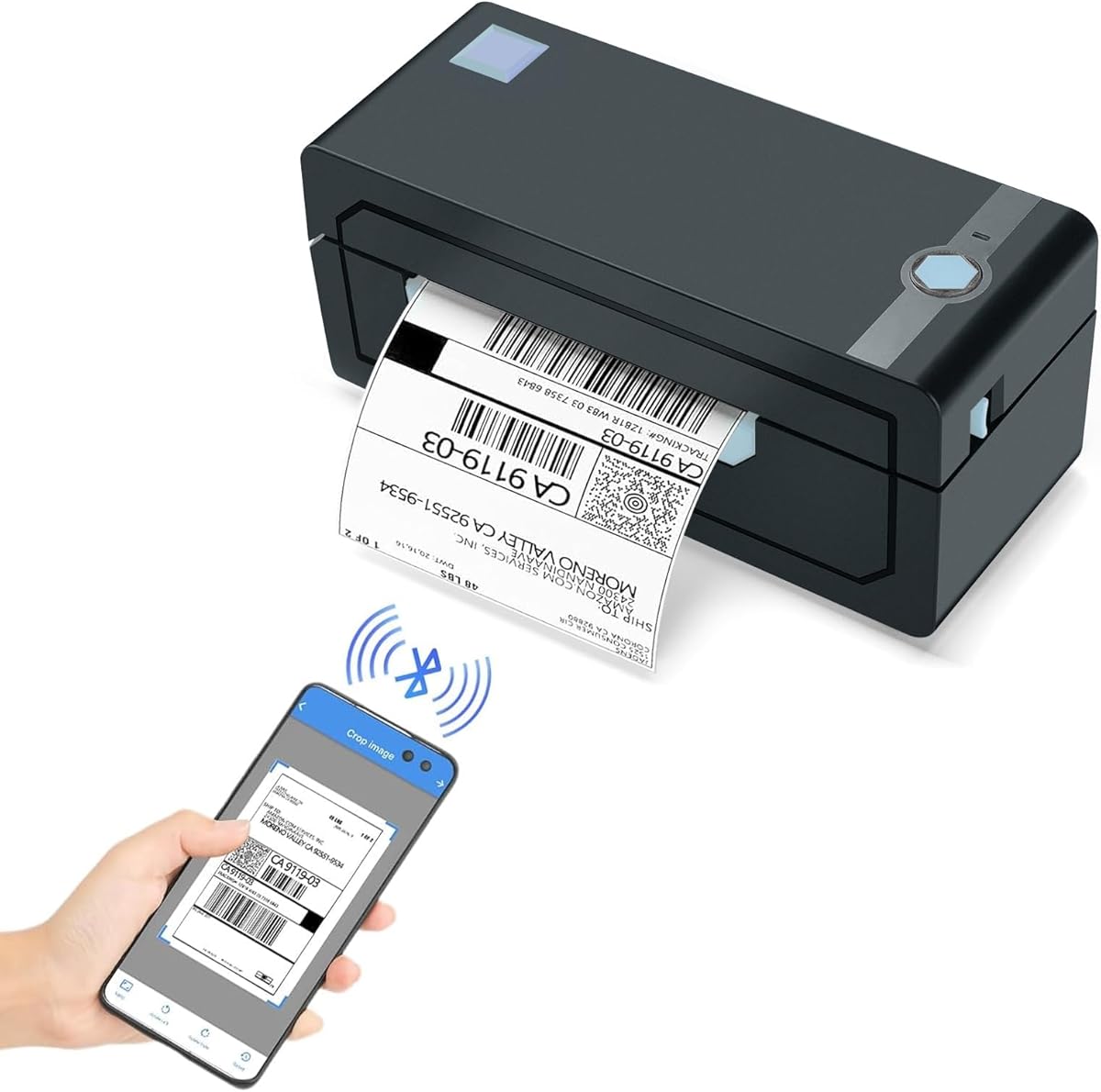
JADENS Bluetooth Thermal Shipping Label Printer
4.4Editor score
Bluetooth and USB connectivity
203 DPI thermal printing
Supports 4×6 labels
Finding a reliable label printer for Linux can be challenging due to driver limitations. This guide highlights models with strong open-source support and thermal tech for shipping needs.
We evaluated ten top-rated printers based on connectivity, print quality, and software compatibility. Each option offers unique strengths for businesses or home offices seeking efficiency.
Every pick includes detailed specs and real-world performance insights to guide your choice. Prices fluctuate often so verify current deals before purchasing your next label maker.
4.4Editor score

4.0Editor score
4.6Editor score
As an Amazon Associate we earn from qualifying purchases.
This table offers a side-by-side view of all ten selected label printers. Compare key specs like connectivity and print resolution to find the right match for your Linux setup.


The JADENS Bluetooth Thermal Shipping Label Printer offers an affordable entry into thermal printing for Linux users. It earns a solid rating for balancing cost with functionality. The device supports standard shipping labels and connects via USB or Bluetooth depending on your system.
We may earn a commission when you buy through this link, at no additional cost to you.
Its high-tech thermal print head delivers crisp 203 DPI output without ink or toner. The printer works well with fanfold and roll labels. Users can connect via USB for stability or Bluetooth for wireless options on compatible devices.
While Bluetooth on mobile requires the Jadens app, the USB connection remains reliable for desktop tasks. Setup is quick and calibration is straightforward. The included U-Disk resources help resolve common issues efficiently.
This printer is ideal for small businesses needing reliable shipping labels without high costs. It handles major platforms like Shopify and eBay well. If you need a budget-friendly thermal solution for Linux, this is a strong pick.
Save money by skipping ink and toner. Thermal labels are durable and clear for scanning purposes.
Supports both roll and fanfold media. Choose what fits your workspace best.
We may earn a commission when you buy through this link, at no additional cost to you.
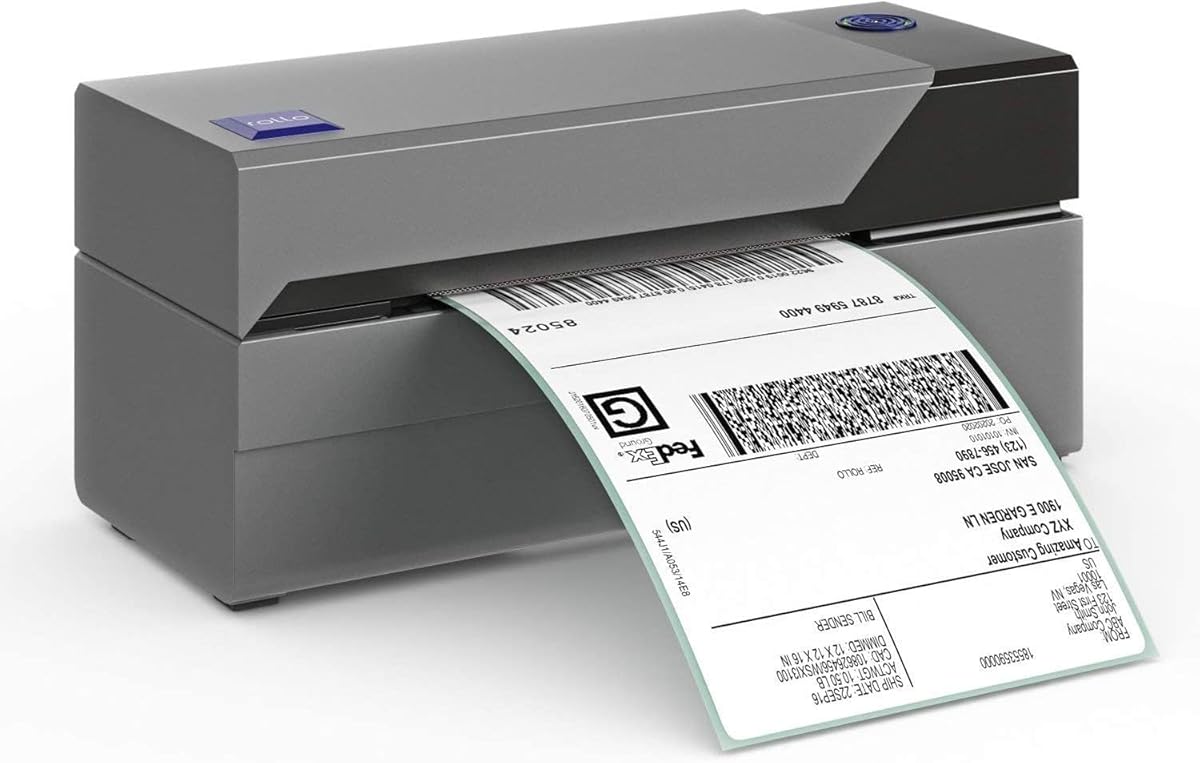
The Rollo USB Shipping Label Printer stands out as a commercial-grade thermal solution. It holds a high rating for speed and reliability. Designed for high-volume tasks, it connects via USB and integrates seamlessly with major shipping platforms.
We may earn a commission when you buy through this link, at no additional cost to you.
Its advanced direct thermal technology prints one 4×6 label per second. This speed is ideal for busy warehouses or retail spaces. The 203 DPI head ensures barcodes and text are clear and scannable for every package.
Setup involves downloading drivers for your OS. While it lacks Bluetooth, the USB connection offers stability. The Rollo Ship app provides cost-saving shipping rates directly, simplifying logistics workflows for sellers.
This printer suits businesses prioritizing speed and longevity. It works well with Amazon and Shopify. If you need a robust desktop printer for Linux, the Rollo delivers professional results daily.
Print up to 150mm per second. Keep your workflow moving without bottlenecks.
Connects with Fedex, UPS, and USPS. Use Rollo Ship for exclusive rates.
We may earn a commission when you buy through this link, at no additional cost to you.
The iDPRT SP310 is a versatile thermal printer designed for Linux and Raspberry Pi environments. It earns strong recognition for open system flexibility and speed. Its dedicated drivers ensure stable USB connectivity for heavy printing tasks without dropouts.
We may earn a commission when you buy through this link, at no additional cost to you.
This device prints at 4 ips, up to 50% faster than common models. The built-in smart sensors detect label sizes automatically for precise alignment. This reduces waste and ensures every barcode scans correctly on inventory or shipping.
While the design software is currently for Windows and macOS, the hardware supports Linux natively. The unlocked system lets you use third-party labels, cutting operating costs significantly. This makes it ideal for budget-conscious users.
It fits businesses needing accurate tracking tools. The calibration feature simplifies media swaps. If you run Linux and need a reliable label printer for inventory or shipping, the iDPRT SP310 is a top choice.
Use any brand of thermal labels. Save money by avoiding proprietary chips.
Built-in sensors detect gaps and sizes. Prevent misaligned prints easily.
We may earn a commission when you buy through this link, at no additional cost to you.
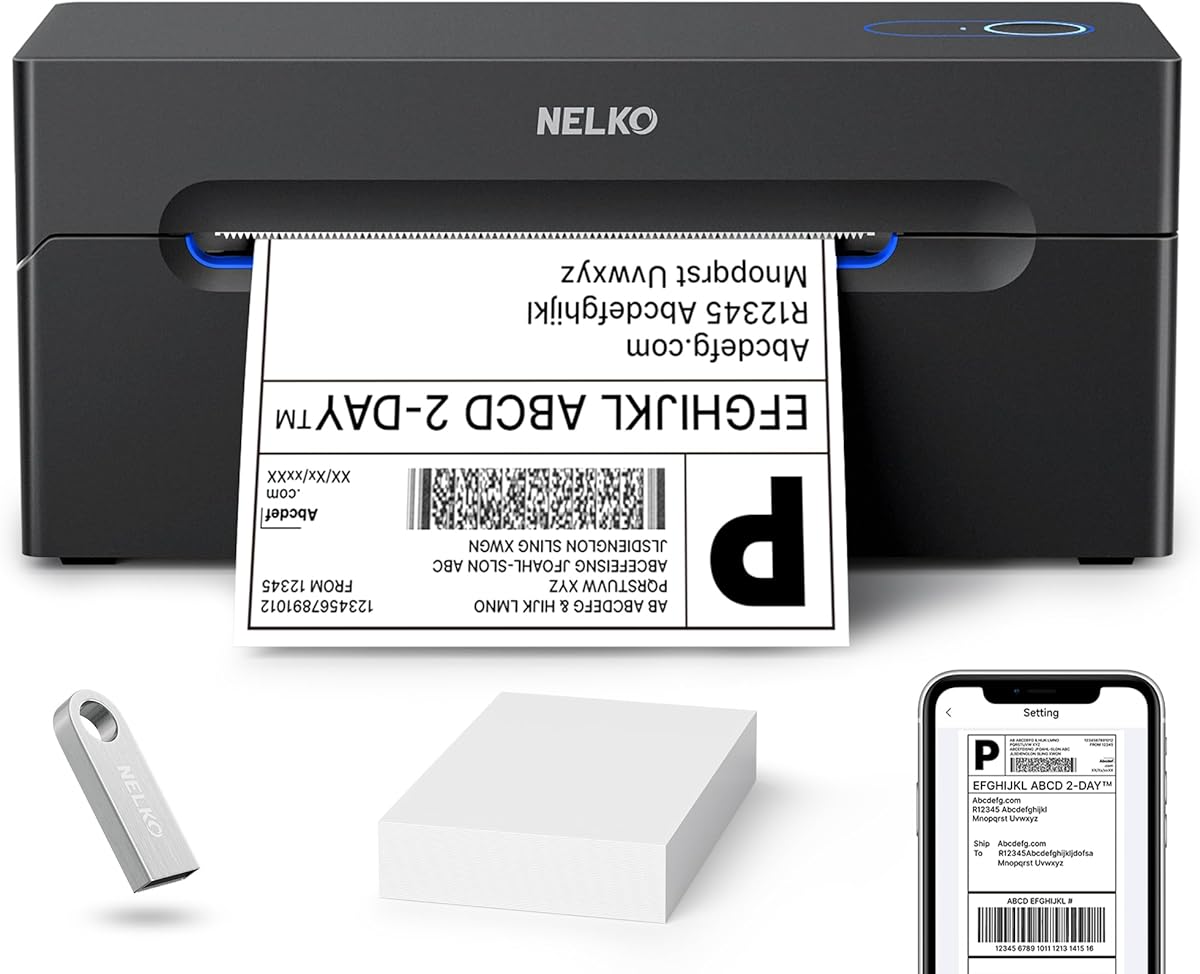
The Nelko PL70E label printer is a compact option for home or commercial use. It offers a high rating for portability and print quality. This thermal printer supports Bluetooth and USB connections depending on your device and OS.
We may earn a commission when you buy through this link, at no additional cost to you.
It prints at 150 mm/s, handling up to 72 labels per minute. The direct thermal technology saves costs on ink. Users can save logistics labels as PDFs and upload them to the Nelko app for easy printing.
Mac users must use USB since Bluetooth is limited. The small design fits easily into tight spaces. The included U-Disk resources assist with setup and troubleshooting quickly and effectively.
Ideal for small businesses needing flexibility. It works with major carriers like USPS and UPS. If you want a space-saving printer for Linux, this model balances speed and convenience well.
Requires minimal space on your desk. Great for studios or small offices.
Compatible with Amazon and eBay. Save labels as PDFs for printing.
We may earn a commission when you buy through this link, at no additional cost to you.
The Brother P-touch CUBE Plus is a portable label maker for design tasks. It receives high marks for ease of use and Bluetooth connectivity. You can create custom labels up to 24mm wide from mobile devices or desktops.
We may earn a commission when you buy through this link, at no additional cost to you.
Three software applications offer pre-designed templates for home or office needs. The built-in Li-ion battery allows you to print without being tethered. Tape options include glitter, matte, and standard black on white.
While not a shipping printer, it excels at organization. The P-touch Editor helps customize labels for shelves or assets. Linux users should check specific driver support before purchase for desktop integration.
Best for small businesses needing branding tags. It simplifies labeling workflows significantly. If you need a portable solution for office or home, this Brother model is reliable and stylish.
Print from mobile devices easily. No cables needed for Bluetooth mode.
Access many fonts and symbols. Customize labels for any need.
We may earn a commission when you buy through this link, at no additional cost to you.
The Brother QL-700 offers ultra-fast professional printing for labels. It earns strong reviews for speed and convenience. This monochrome printer handles packages, envelopes, and banners efficiently without requiring ink or toner.
We may earn a commission when you buy through this link, at no additional cost to you.
It prints at 93 labels per minute. The drop-in rolls make media changes quick. The auto cutter provides precise cuts for single or multiple labels. Rounded corners enhance the professional look of every print.
Linux users should verify driver availability before purchase. The printer handles continuous-length paper for signs too. This flexibility makes it suitable for offices needing varied label sizes.
Ideal for businesses needing volume. It keeps workflows smooth and organized. If you need a high-speed monochrome label printer for Linux, the QL-700 delivers consistent performance.
Print up to 93 labels per minute. Ideal for busy office environments.
Drop-in rolls save time. Continuous paper allows banner prints.
We may earn a commission when you buy through this link, at no additional cost to you.
The Brother QL-570 produces high-resolution labels for home and business use. It maintains a solid rating for quality and support. This printer uses P-Touch software for customization and offers a two-year warranty.
We may earn a commission when you buy through this link, at no additional cost to you.
It prints at speeds up to 68 labels per minute. The 300 x 600 dpi resolution ensures sharp text and imagery. This clarity helps with barcodes and detailed product info on labels.
Linux support may require third-party drivers. The device includes software for creating customized labels. It fits well in environments needing professional presentation on packages or files.
Best for offices needing detailed labels. It balances speed and clarity well. If you want reliable quality for Linux tasks, the QL-570 is a durable option to consider.
300×600 dpi for clear text. Barcodes print sharply every time.
Backed by a two-year warranty. Peace of mind for your investment.
We may earn a commission when you buy through this link, at no additional cost to you.
The SUPVAN T50M Pro is a portable label maker machine for home and small business. It earns strong marks for versatility and app features. It prints labels from 3/4 to 2 inches wide and supports square or round formats.
We may earn a commission when you buy through this link, at no additional cost to you.
The app allows custom edits with 30+ fonts and 50+ frames. You can import images directly from your phone. No ink or toner is needed. The design focuses on aesthetic appeal and organization tasks.
Linux integration depends on app compatibility. The app is free and requires no registration. This simplicity makes it accessible for quick labeling jobs without complex setup.
Ideal for personal organization or small inventory. It offers flexibility for various project types. If you need a portable label maker for Linux workflows, this model is a good value.
Choose from 30+ fonts. Import images easily from your phone.
Supports round, square, and address labels. Fit any project needs.
We may earn a commission when you buy through this link, at no additional cost to you.
This Bluetooth thermal shipping label printer offers efficient printing for small businesses. It holds a high rating for clarity and platform support. It works with the Labelnize app and supports standard courier platforms like Amazon and FedEx.
We may earn a commission when you buy through this link, at no additional cost to you.
It boasts 203 dpi resolution for clear shipping labels and QR codes. The compact design fits in limited spaces. You can connect via USB for computers and Bluetooth for mobile devices.
Setup involves scanning a QR code for the app. Ensure you select the correct paper size for quality prints. This model is upgraded to handle freight and warehousing tasks efficiently.
Best for budget-conscious shipping needs. It delivers reliable performance daily. If you need an affordable label printer for Linux tasks, this model is a solid choice.
Works with UPS, FedEx, and USPS. Print labels directly from platforms.
Fits into corners or studios. Ideal for limited office space.
We may earn a commission when you buy through this link, at no additional cost to you.
The Brother P-Touch PT-D610BT is a business professional label maker. It receives strong ratings for connectivity and customization. This model supports Bluetooth and USB, enabling multiple users to design labels from computers or mobile devices.
We may earn a commission when you buy through this link, at no additional cost to you.
It stores up to 90 frequently used labels in memory. The large LCD display allows visual previews to reduce waste. It includes 175 pre-loaded business templates for asset management and inventory tracking.
The QWERTY keyboard streamlines workflow. Linux users should verify P-Touch Editor compatibility for full customization. This device balances speed and flexibility for professional needs.
Ideal for dynamic business environments. It ensures accuracy and efficiency. If you want a connected label maker for Linux business tasks, the PT-D610BT offers robust features.
Large LCD screen shows labels before printing. Reduce waste effectively.
Store up to 90 labels. Quick reprinting saves time.
We may earn a commission when you buy through this link, at no additional cost to you.
Choosing a label printer for Linux requires attention to driver support and connectivity options. This guide outlines key factors to consider for your workflow.
Linux compatibility varies by model. Look for printers that offer native support or open-source driver projects to ensure smooth installation without proprietary issues.
Check if the manufacturer provides Linux drivers or relies on USB-based generic protocols. Native support ensures better performance and fewer troubleshooting steps over time.
Decide between USB and wireless options. USB offers stability and simplicity for desktop setups. Wireless options like Bluetooth allow flexibility but may depend on apps or OS restrictions.
For shared workspaces, Bluetooth or networked printers offer convenience. For single-user stability, USB remains the most reliable method for Linux environments.
Match the printer speed to your workflow volume. High-speed models like 150mm/s suit busy warehouses. Slower models may suffice for occasional personal labeling tasks.
Consider labels per minute (LPM) metrics when evaluating performance. Faster speeds reduce downtime and improve overall productivity in high-volume environments.
Ensure the printer supports your required label widths. Some models handle shipping sizes like 4×6. Others focus on narrow tapes for asset tags or file folders.
Check if the printer supports fanfold or roll labels. This flexibility helps you choose cost-effective media that suits your specific labeling needs.
Evaluate platform compatibility with shipping or inventory apps. Some printers work directly with Shopify or Amazon. Others require specific design software to function properly.
Free design tools save money and simplify workflows. Verify that the software supports Linux or has web-based alternatives for your use case.
Calculate ongoing costs for labels and ribbons. Some models use proprietary chips that limit brand options. Open systems allow third-party labels to reduce long-term expenses.
Choose a printer that accepts generic media. This approach lowers costs and provides more freedom to source supplies locally.
Consider desk space and portability. Compact models fit in small offices or home setups. Larger commercial units may need dedicated counter space.
Ensure the device fits your workspace. Portability might be essential if you move between rooms or need to label items on the go.
Check warranty length and customer support options. Extended warranties protect your investment. Support teams that respond quickly help resolve issues efficiently.
Adequate support ensures minimal downtime. Look for brands with strong documentation and accessible service channels for reliable maintenance.
Install the provided drivers or open-source tools to connect the printer. Test a basic print job to verify alignment and feed settings.
Load labels according to the manual's diagrams. Ensure the sensors detect gaps properly to avoid skipped prints or waste.
Keep the print head clean by using a soft cloth. Store media in a cool, dry place to prevent curling or damage over time.
Not all models work immediately. Some require proprietary drivers or open-source alternatives. Always verify Linux compatibility before purchasing.
Many printers allow generic labels. Check if the model uses chips. Open systems work with third-party media to save costs.
Bluetooth can be less stable than USB. Apps often manage the connection. Verify support for your specific Linux distribution.
203 DPI is standard and sufficient. Higher DPI improves detail but costs more. Ensure barcodes scan clearly with your chosen model.
Run a calibration routine. Check label gap settings. Ensure the printer head is clean for consistent output.
They save ink and toner costs. Label rolls vary by price. Open systems reduce media expenses significantly.
Many work via browser exports. Save PDFs for printing. Some apps support Linux directly. Check platform integration before buying.
Turn off and check rollers. Remove debris. Reload media carefully. Ensure labels are properly aligned.
We reviewed ten top label printers suitable for Linux workflows. The iDPRT SP310 stands out for open system support. JADENS and Rollo offer reliable speed and cost savings.
Prioritize driver support and media flexibility when selecting a model. Open systems and strong community backing ensure long-term usability without proprietary locks.
Prices and availability change frequently. Check current deals on each model to confirm compatibility with your setup before finalizing your purchase.