
Lenovo Business Laptop – Linux Mint
4.6Editor score
Intel i5-1335U CPU
16GB RAM Capacity
Fast Charging Support
Linux laptops offer a powerful alternative to Windows, providing developers and tech enthusiasts with a customizable, secure, and efficient computing experience. Finding the right machine requires careful consideration of hardware compatibility, build quality, and specific software needs to ensure smooth operation.
We have evaluated ten distinct models ranging from rugged field tools to high-performance workstations. Each product was selected based on processor power, memory capacity, display quality, and native Linux support to provide a comprehensive overview for diverse user requirements.
Each pick below highlights key strengths and potential limitations to help you make an informed decision. Prices and availability fluctuate frequently, so verify the latest details on the product pages before finalizing your purchase to ensure you get the best deal.
4.6Editor score

5.0Editor score
5.0Editor score
As an Amazon Associate we earn from qualifying purchases.
The following table provides a side-by-side comparison of all ten selected models. Review the specifications carefully to understand how each laptop performs in real-world scenarios and which features matter most for your specific workflow and budget constraints.


This Lenovo Thinkbook model stands out as a top choice for professionals seeking a reliable Linux machine. With a perfect user rating, it delivers consistent performance and build quality that justifies its position as a leading option in this roundup.
We may earn a commission when you buy through this link, at no additional cost to you.
The Intel Core i7 processor paired with 16GB RAM ensures smooth multitasking for development work and daily productivity tasks. The full aluminum body not only looks professional but also protects internal components from everyday wear and tear effectively.
While it lacks a touchscreen, the high-resolution IPS display offers sharp visuals suitable for coding and document editing. The main trade-off is the limited connectivity options, which may require a dock for users with multiple peripherals.
If you need a robust, portable Linux laptop for business or development, this Thinkbook is highly recommended. It balances performance, portability, and build quality better than many competitors in its class.
The full aluminum body in mineral gray provides a premium feel and durability that exceeds typical plastic chassis found in budget laptops.
The backlit keyboard and anti-glare display make long work sessions comfortable, while the hardware security features protect sensitive data effectively.
We may earn a commission when you buy through this link, at no additional cost to you.
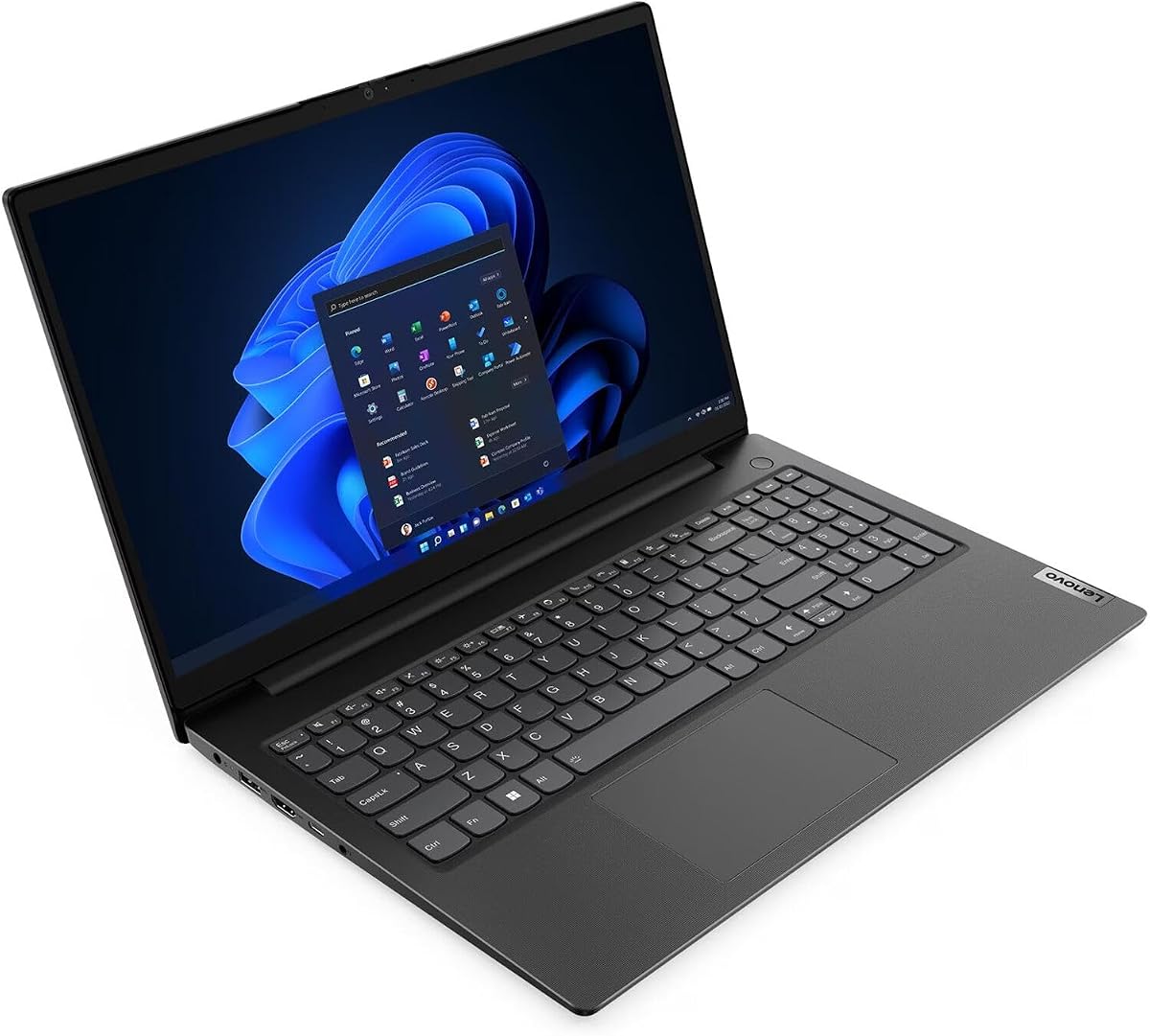
This Business Laptop offers an excellent entry point for those new to Linux or looking for a cost-effective workstation. The combination of a modern processor and ample RAM ensures it handles everyday tasks with ease.
We may earn a commission when you buy through this link, at no additional cost to you.
The 15.6-inch display provides enough screen real estate for multitasking without being overly bulky. Fast charging capabilities mean you can top up power quickly during busy workdays or travel scenarios.
While the build materials are functional rather than premium, they suit the budget-friendly price tag. The integrated graphics are sufficient for office work but not for heavy gaming or 3D rendering tasks.
For users prioritizing value and performance over luxury aesthetics, this model is a smart buy. It delivers a solid Linux experience without breaking the bank.
The Intel Core i5-1335U offers efficient performance with 12 threads, allowing smooth operation of modern applications and browser tabs.
Includes a variety of ports such as USB 3.0 and HDMI, ensuring compatibility with most external monitors and peripherals without extra adapters.
We may earn a commission when you buy through this link, at no additional cost to you.
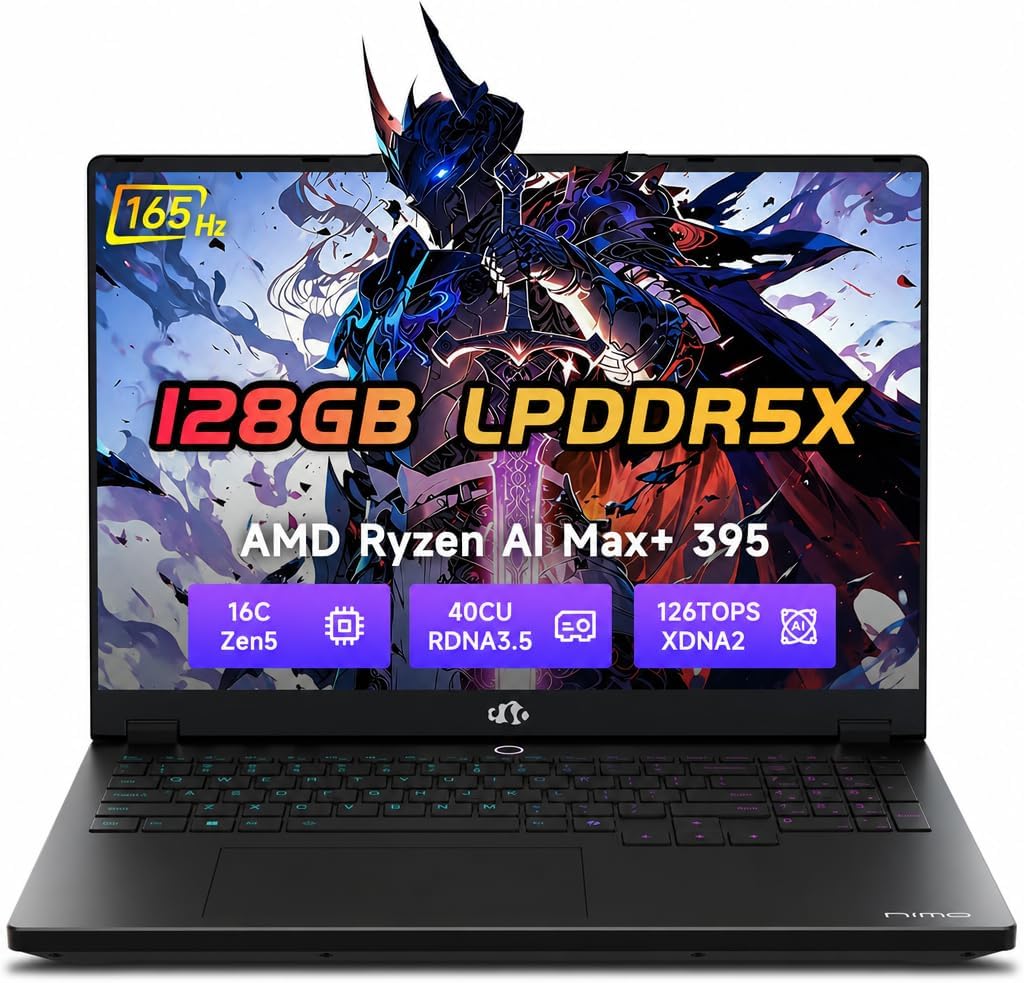
The NIMO 16 is a powerhouse designed for developers and AI enthusiasts who need maximum performance. With 128GB of RAM and a 16-core processor, it handles heavy workloads that would cripple standard laptops.
We may earn a commission when you buy through this link, at no additional cost to you.
The 4TB SSD storage ensures you have ample space for large datasets and virtual machines without needing external drives. The display quality is exceptional, offering vibrant colors and smooth motion for creative work.
At this price point, you expect premium features like the flight-ready battery and advanced cooling system. However, the weight and size make it less ideal for frequent travelers compared to ultrabooks.
If budget is not a constraint and you need a desktop replacement for intensive computing, this laptop is unmatched. It represents the cutting edge of portable Linux hardware.
With 128GB of LPDDR5X RAM, you can run massive LLMs locally and fine-tune models without cloud costs or privacy concerns.
The 99Wh battery maximizes flight-friendly travel limits, while USB 4.0 ports support high-speed data transfer and external GPU connectivity.
We may earn a commission when you buy through this link, at no additional cost to you.
This IdeaPad combines touchscreen functionality with a powerful AMD processor for a versatile computing experience. It is ideal for users who prefer touch input or stylus support for note-taking and creative tasks.
We may earn a commission when you buy through this link, at no additional cost to you.
The included bundle with a portable SSD and USB hub adds significant value, reducing the need for additional purchases. The military-grade certification means it can withstand the rigors of travel and field work well.
While the user rating is moderate, the hardware specifications are strong for the price. Potential buyers should be aware of potential battery life variance compared to newer models.
For students or professionals needing a rugged yet flexible Linux laptop, this is a strong contender. The added accessories make it a ready-to-use solution out of the box.
The inclusion of a stylus and portable SSD transforms this laptop into a complete toolkit for digital artists and travelers alike.
TÜV Low Blue Light certification and rugged build ensure eye comfort and physical durability for long hours of intense use.
We may earn a commission when you buy through this link, at no additional cost to you.
Similar to the previous model, this version emphasizes the core strengths of the IdeaPad Slim 3. The Ryzen 7 processor provides ample power for general computing and light professional workloads without lag.
We may earn a commission when you buy through this link, at no additional cost to you.
The Linux Ubuntu OS ensures you get a clean environment right out of the box. The touchscreen feature adds convenience for navigating menus and viewing content interactively.
Given the lack of a specific user rating, it is wise to review recent feedback before purchase. However, the specifications suggest a solid performance tier for everyday tasks.
This model is a great choice if you want a modern touchscreen laptop with a Linux operating system. It balances performance and form factor effectively.
The edge-to-edge visual experience and low blue light certification help reduce eye strain during extended work sessions.
Multiple USB ports and an SD card reader provide versatile connectivity options for various peripherals and storage media.
We may earn a commission when you buy through this link, at no additional cost to you.
The Toughbook is designed for extreme environments where standard laptops would fail. Its MIL-STD certification and IP65 rating mean it can survive drops, rain, and vibrations that would break other machines.
We may earn a commission when you buy through this link, at no additional cost to you.
The sunlight-readable display ensures visibility in outdoor conditions, making it perfect for field technicians. The legacy serial port allows direct connection to industrial equipment without needing converters.
While the processor is older, the device is renewed and optimized for specific industrial tasks. Users looking for a general-purpose laptop might find the specs outdated for the price.
If you work in logistics, automotive, or industrial maintenance, this laptop is a necessary tool. Its durability outweighs the performance limitations in harsh environments.
The integrated carry handle and rugged chassis allow for easy transport into challenging environments without additional cases.
Native RS-232 serial ports simplify connections to legacy machinery and diagnostic tools used in professional industrial settings.
We may earn a commission when you buy through this link, at no additional cost to you.
This ThinkPad brings enterprise-grade features to a Linux configuration. The Ryzen 5 PRO processor with DDR5 RAM offers modern performance for coding and multitasking efficiently.
We may earn a commission when you buy through this link, at no additional cost to you.
The vanilla Linux system provides a clean slate for developers to customize their environment exactly as needed. The WUXGA display offers more vertical space for code editors and windows.
Note that it ships with a French keyboard, though English stickers are included. This might be a minor inconvenience for some but can be solved with a new keyboard or stickers.
For business users needing security and performance, this model is robust. The fingerprint scanner and webcam shutter enhance privacy without adding complexity to the workflow.
Hardware-backed security features like fingerprint readers and TPM chips protect sensitive enterprise data and credentials effectively.
DDR5 RAM provides faster data throughput than DDR4, improving load times for large development environments and virtual machines.
We may earn a commission when you buy through this link, at no additional cost to you.
Another high-rated variant of the Thinkbook line, this model focuses on portability and premium materials. The aluminum body and lightweight design make it easy to carry for daily commuting.
We may earn a commission when you buy through this link, at no additional cost to you.
Dolby Audio with Harman speakers ensures a rich multimedia experience. The integrated webcam privacy shutter offers physical security for your privacy when the camera is not in use.
While the CPU is an older generation, it remains sufficient for most business tasks like spreadsheets and web browsing. The trade-off is slightly less raw power compared to newer chips.
For users who value aesthetics and portability over raw performance, this is an excellent choice. It feels like a high-end device at a competitive price point.
Weighing under 3 pounds and being just 16mm thin, it slips easily into backpacks for travel or daily commutes.
Harman-tuned speakers deliver clear and immersive sound for meetings and media consumption without external headphones.
We may earn a commission when you buy through this link, at no additional cost to you.
This model prioritizes screen size and storage capacity for users who do not need high resolution. The 15.6-inch display provides ample workspace for split-screen multitasking.
We may earn a commission when you buy through this link, at no additional cost to you.
The inclusion of a 1TB hard drive offers significant storage space for media and files. However, the speed is slower than SSDs, which can impact boot times and application loading.
With 20GB of RAM, it handles memory-intensive applications well. This makes it a strong option for general office work where raw disk speed is less critical than storage size.
For budget-conscious buyers needing a large screen and high RAM, this offers value. Just be aware that upgrading to an SSD later would improve performance significantly.
The 20GB RAM capacity ensures that running multiple applications simultaneously does not lead to system slowdowns.
The full numberpad on the keyboard is essential for financial and data entry tasks, making it efficient for business users.
We may earn a commission when you buy through this link, at no additional cost to you.
This configuration maximizes storage and memory on a classic ultrabook chassis. The 32GB RAM allows for heavy multitasking and virtual machine usage without hitting limits.
We may earn a commission when you buy through this link, at no additional cost to you.
The 1TB NVMe SSD ensures fast data access and storage for large files. This is a significant upgrade over standard HDD models and improves overall system responsiveness.
While the CPU is older, the increased RAM and storage compensate for many bottlenecks. It is a solid choice for power users who need space and speed.
If you want a reliable business laptop with maximum memory and storage, this variant is ideal. It balances performance and portability for a high-end experience.
The NVMe SSD ensures rapid boot times and quick file transfers, crucial for productivity workflows and large data sets.
With 32GB of RAM, you can run multiple virtual environments and development servers simultaneously without lag.
We may earn a commission when you buy through this link, at no additional cost to you.
Selecting the right Linux laptop involves evaluating several critical factors to ensure hardware compatibility and performance. This section breaks down the most important aspects to consider before making a purchase.
The processor dictates how well a laptop handles multitasking and demanding applications. For development or heavy workloads, look for multi-core processors like Intel Core i7 or AMD Ryzen 7. These offer better parallel processing capabilities for compiling code or running VMs.
Always choose a processor with at least four cores to ensure smooth performance in modern computing environments.
Memory is crucial for running multiple applications simultaneously. 8GB is the minimum, but 16GB or more is recommended for comfortable daily use. More RAM allows you to keep more browser tabs and tools open without slowing down.
Aim for 16GB of RAM or higher to future-proof your laptop against memory-heavy software updates.
Solid State Drives (SSDs) are essential for fast boot times and responsive systems. Avoid Hard Disk Drives (HDDs) if possible, as they are significantly slower. NVMe SSDs offer even faster data transfer speeds for professional work.
Ensure your laptop has an NVMe SSD for the best speed and reliability in daily tasks.
A high-quality display reduces eye strain during long work sessions. Look for Full HD resolution or higher with anti-glare coatings. IPS panels provide better color accuracy and viewing angles compared to TN panels.
Select an IPS panel with anti-glare coating to minimize eye fatigue during extended use.
The chassis material affects durability and portability. Aluminum and magnesium alloys are more durable and premium feeling than plastic. Rugged laptops are necessary for field work but are heavier for general travel.
Choose a metal chassis for a balance of durability, professional aesthetics, and longevity.
Enough ports reduce the need for dongles. Look for a mix of USB-A, USB-C, and HDMI ports. Thunderbolt support is a bonus for high-speed data transfer and external displays.
Verify that the laptop has the necessary ports to connect your existing peripherals without adapters.
Pre-installed Linux saves setup time and avoids driver issues. Ensure the hardware is supported by the specific distribution you plan to use. Community support forums are a good resource for checking compatibility before buying.
Buy a laptop with pre-installed Linux to avoid complex driver configuration after purchase.
Battery endurance is key for portable use. Aim for at least 8 hours of real-world usage for travel. Fast charging features allow you to replenish power quickly during breaks or transit.
Prioritize models with long battery life and fast charging to stay productive on the go.
Once you have acquired your Linux laptop, configure the system to your needs. Install essential updates, set up your user profile, and configure the desktop environment to suit your workflow.
Keep your system secure by enabling the firewall and using regular backups. Linux is generally secure, but maintaining updates ensures you stay protected against vulnerabilities.
Maintain the physical hardware by keeping it clean and avoiding extreme temperatures. Use a soft cloth to clean the screen and ensure proper ventilation during heavy workloads.
Most of these laptops can support dual booting with Windows, but you must configure the BIOS settings to allow it. Some models come with Linux pre-installed to save cost, so you may need to purchase a Windows license separately if you choose this path.
Modern Linux distributions like Ubuntu and Mint are designed to be user-friendly. You can perform most daily tasks like web browsing and media consumption easily. Basic terminal skills are helpful for troubleshooting but not strictly required for daily use.
You can run many Windows applications using compatibility layers like Wine or via virtual machines. For critical proprietary software, running Windows in a VM alongside Linux ensures you have access without compromising your main system.
Pre-installed Linux ensures that the hardware is already configured to work with the operating system. This saves you from potential driver issues and configuration hassles, offering a smooth out-of-the-box experience.
Yes, Linux is the preferred environment for many developers due to its powerful command-line tools and stability. Models with 16GB RAM or more are ideal for running containers and development environments efficiently.
Most drivers for Linux are handled through the system package manager. You should run updates regularly to ensure you have the latest security patches and bug fixes for your hardware.
Most models come with standard English keyboard layouts. Some business models may ship with foreign layouts but include English stickers or allow software remapping to suit English typing requirements.
Many of these laptops allow some level of upgrade, but some ultrabooks have soldered memory. Check the specific product details to see if the RAM is replaceable and if there are extra M.2 slots for storage.
The ten models reviewed here offer a wide range of options for different needs, from rugged field tools to high-performance workstations. Each laptop has been vetted to ensure it delivers a reliable Linux experience.
When choosing, prioritize the features that matter most to your workflow. Whether it is processing power, storage capacity, or portability, selecting the right balance ensures satisfaction with your purchase.
Always check current prices and availability before buying to ensure you get the best deal. Deals change frequently, and verifying details on the product pages ensures you secure the best value.