
FotoZ Macro Conversion Lens
4.6Editor score
Universal 37mm-72mm fit
Tool-free snap-on design
3-element multi-coated glass
Explore the top macro lens for insect photography in October 2026. We compare ten real products by optical performance, magnification, and value.
Capturing the intricate world of insects requires specialized optics that can reveal details invisible to the naked eye. A good macro lens for insect photography delivers high magnification, sharp focus, and minimal distortion to showcase nature tiny wonders.
We evaluated ten real products ranging from budget-friendly phone attachments to professional DSLR lenses. Our comparison considers optical quality, build durability, ease of use, and compatibility with various camera systems to help you choose wisely.
Each pick highlights specific strengths and ideal use cases for photographers at different skill levels. Note that product availability and pricing may fluctuate, so check the latest offers before making your final decision today.
4.6Editor score

4.7Editor score
4.6Editor score
This side-by-side comparison breaks down the key specifications and capabilities of each product to help you quickly identify which lens matches your specific camera gear and shooting style requirements.


This lens stands out as the world's first medium telephoto macro lens offering a maximum magnification of 1.4x. With a 4.7 rating from users, it delivers exceptional optical quality and a bright fixed f/2.8 aperture suitable for detailed insect work.
We may earn a commission when you buy through this link, at no additional cost to you.
The Hybrid IS system compensates for both angular and shift camera shake during macro shooting providing up to 5 stops of shake correction. This stabilization is crucial when working at high magnifications where even tiny movements can ruin image sharpness.
While the Spherical Aberration Control Ring allows adjustments to shape and character of foreground and background bokeh it adds complexity that might challenge casual users. The price also places it out of reach for hobbyists on a tight budget.
Photographers seeking the ultimate performance for insect photography should consider this lens despite the cost. It excels in professional scenarios where image quality and stabilization are critical for capturing stunning details.
The 1.4x magnification ratio lets you capture insect features larger than life size which is rare for telephoto macro optics.
5 stops of correction enable sharp handheld images even when you need to stop down apertures for depth of field.
We may earn a commission when you buy through this link, at no additional cost to you.
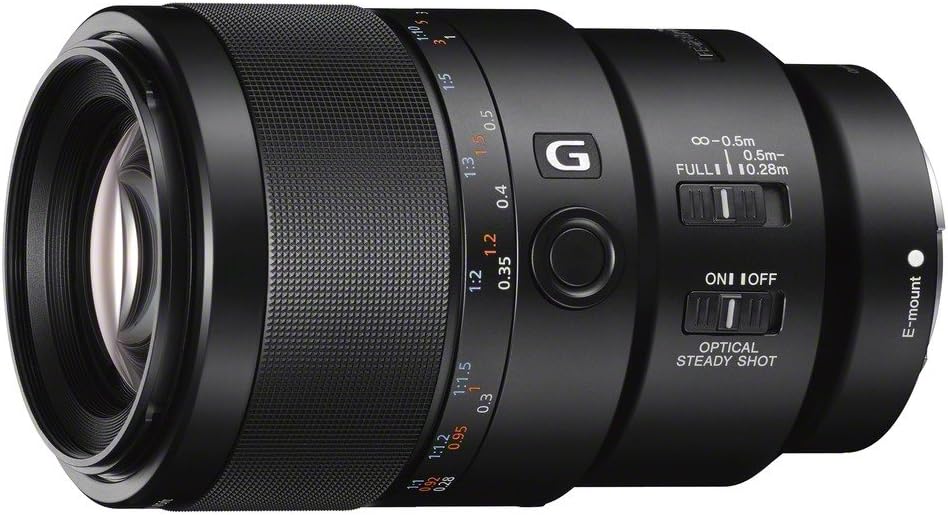
This lens is a perfect match for Sony 7 series full-frame E-mount cameras and offers 1.0x magnification ratio. It features Nano AR coating that effectively suppresses reflections and dust and moisture resistant design for rugged outdoor insect photography.
We may earn a commission when you buy through this link, at no additional cost to you.
Optical Steady Shot image stabilization allows for handheld shooting with ease while the sliding focus ring enables instant manual and auto focus selection. The 9-blade circular aperture contributes to gorgeous bokeh that isolates insects beautifully.
The Direct Drive SSM system provides quiet and precise focusing which is essential when filming moving insects without startling them. However the weight of 602 grams might be a concern for extended field sessions compared to lighter alternatives.
Sony shooters looking for premium build quality and optical performance will find this lens highly reliable. Its resistance elements make it ideal for challenging environments where insects typically thrive.
Advanced Spherical elements and Super ED glass with multi-coating reduce flare and ghosting for clean crisp images.
Dust and moisture resistant construction ensures durability when shooting in humid or sandy insect habitats.
We may earn a commission when you buy through this link, at no additional cost to you.
The FotoZ macro conversion lens helps capture fine details of insects with your DSLR or mirrorless camera by transforming your existing lens into a close-up macro setup. It features a 3-element 3-group optical design with multi-coated glass to improve light transmission.
We may earn a commission when you buy through this link, at no additional cost to you.
This lens is compatible with camera lenses featuring 37mm to 72mm filter threads and includes adapter rings for flexible macro photography. The spring-loaded adapter attaches securely without tools allowing you to quickly switch between macro and normal photography.
While it is not a dedicated macro lens it offers a practical solution for photographers who want close-up results without the cost of a dedicated macro lens. The 8 diopter power provides strong magnification for small subjects like insects.
Budget-conscious photographers will appreciate the versatility and low cost of this accessory. It is an excellent starting point for those wanting to explore macro photography without a large initial investment.
The wide range of filter thread compatibility means you can use it with many existing lenses immediately.
Tool-free snap-on design ensures you can attach and detach the lens quickly in the field.
We may earn a commission when you buy through this link, at no additional cost to you.
The TTARTISAN 40mm f/2.8 macro lens offers a 1:1 magnification ratio making it ideal for macro insect photography. With 7 groups and 8 elements including dual LD glass it minimizes aberrations providing exceptional sharpness for botanical subjects.
We may earn a commission when you buy through this link, at no additional cost to you.
This lens weighs just 13.1 oz and is built with sturdy all-metal construction making it 30% lighter than similar options. The F2.8 creamy bokeh with 11-blade design provides beautiful background blur perfect for isolating insects.
Although it is a manual focus prime lens the precision control is appreciated by macro photographers who need exact focus. The compact travel-ready design suits nature exploration but it is only compatible with Sony E-Mount cameras.
Sony shooters on a budget who prefer manual focus will find this lens a strong contender. It balances optical performance with portability making it suitable for travel and nature photography.
The all-metal construction ensures durability while keeping the weight low for long hiking sessions.
11-blade aperture creates smooth rounded background blur that helps subjects stand out clearly.
We may earn a commission when you buy through this link, at no additional cost to you.
This iPhone macro lens lets you magnify details without compromising clarity using lossless magnification technology. It features an ultra-large F1.05 aperture providing beautiful bokeh and depth of field for professional-quality images of flowers and insects.
We may earn a commission when you buy through this link, at no additional cost to you.
With a remarkable 50-110mm telephoto macro focal range you can capture intricate details from a comfortable distance without scaring away subjects. The multi-lens combination boosts light transmittance to 99.5% per lens minimizing reflections and lens flare.
The universal clip-on compatibility works with a wide range of smartphones including iPhone and Samsung Galaxy models. While convenient the clip setup may require adjustment for optimal alignment with your phone camera lenses.
Mobile photographers who want DSLR-like macro results will enjoy the high magnification and optical quality. It is perfect for quick insect shots without carrying bulky camera gear.
10X magnification allows you to see details invisible to the naked eye on mobile devices.
The large F1.05 aperture helps manage low-light conditions effectively for sharper insect photos.
We may earn a commission when you buy through this link, at no additional cost to you.
This compact macro lens features a 0.5x magnification ratio and a minimum focusing distance of 0.56 ft making it a a close-up work. It includes optical image stabilization up to 5 stops and a control ring for direct setting changes.
We may earn a commission when you buy through this link, at no additional cost to you.
The f/1.8 aperture allows for excellent low-light performance and a shallow depth of field which can isolate insect subjects well. Compatibility with EOS R series cameras ensures smooth integration with modern Canon mirrorless systems.
While it does not reach 1:1 magnification it still provides detailed macro capabilities for small objects and insects. The fast aperture helps in dim forest floors where insects are often found and camera stabilization aids handheld sharpness.
Canon RF shooters looking for a versatile lens that doubles as a macro will find this a practical choice. It is lightweight and offers good image quality at an accessible price point.
The f/1.8 aperture creates stunning bokeh and lets in more light for better low-light insect photos.
The dedicated control ring allows quick adjustments to settings without digging into menus.
We may earn a commission when you buy through this link, at no additional cost to you.
This lens is tailored specifically for macro photography excelling within a dedicated 2:1 to 5:1 magnification range. It captures imagery surpassing life-size proportions making it an ideal choice for detailed and close-up shots of insects.
We may earn a commission when you buy through this link, at no additional cost to you.
The wide-angle configuration plays a pivotal role in optimizing the high-magnification design by providing greater depth of field compared to telephoto counterparts. This ensures sharp focus on subjects enhancing the overall image quality for small details.
It does not support infinity focus emphasizing its commitment to macro applications and precision in focus. The manual focus operation offers photographers precise control over focusing distance beneficial when engaging with close-up subjects.
Photographers seeking extreme magnification for insect work will find this lens specialized and effective. Its slim design facilitates handheld use and illumination for close-up subjects seamlessly.
The 2-5x range allows for extreme close-ups that reveal textures impossible to see otherwise.
Wide-angle design enhances depth of field at high magnifications for sharper subjects.
We may earn a commission when you buy through this link, at no additional cost to you.
This phone camera lens offers 10x optical magnification with high-definition imaging and natural bokeh highlighting millimeter details. The precision optical design uses new lens combination for more light throughput and less distortion.
We may earn a commission when you buy through this link, at no additional cost to you.
It features tele-focusing operation bringing back the professional DSLR method with a 45~90mm focusing range to control the shooting distance. The aluminum alloy material feels better and provides a professional camera lens appearance.
The universal 17mm adapter matches with included cold shoe lens clip or 17mm screw port cell phone case for quick screwing installation. It is suitable for scenarios including plants and insects jewelry and handicrafts.
Mobile users wanting professional-grade optical performance will appreciate the HD clarity and build quality. It transforms smartphone photography into capable tool for capturing insect details.
The DSLR-style focusing mechanism allows precise control over the subject distance.
Aluminum alloy construction provides durability and a premium feel similar to camera lenses.
We may earn a commission when you buy through this link, at no additional cost to you.
This macro filter kit is perfect for photographing small items such as the details of flowers and insects. Each close up lens maintains resolution and picture clarity while magnifying image size with power options of +1, +2, +4, and +10.
We may earn a commission when you buy through this link, at no additional cost to you.
These close up Lens filters are double threaded attaching additional optics such as polarizers or skylight filters. They can also be stacked to create higher magnifications like +3 +5 +6 +7 and so on.
The package includes a 67mm close up Filter Kit along with a nylon filter pouch lens cap and microfiber lens cleaning cloth. Please verify your camera lens thread size before ordering as it requires a 67mm connection.
Photographers looking for a cost-effective macro solution will find this kit versatile and easy to use. It allows you to experiment with macro photography without replacing your main lenses.
Stacking filters lets you increase magnification power beyond what single filters offer.
The included pouch and cleaning cloth make it easy to carry and protect the lenses.
We may earn a commission when you buy through this link, at no additional cost to you.
This kit includes a Clarus 15x Macro Lens to magnify nearby subjects for breathtaking super close-up photos. It is compatible with all smartphones tablets and laptops including iPhone Samsung Galaxy Google Pixel Huawei and more.
We may earn a commission when you buy through this link, at no additional cost to you.
The GlowClip Mini Rechargeable LED Light illuminates your subject and surroundings with warm continuous light which is superior to your smartphone built in flash. It features 3 brightness settings to avoid blinding retakes.
The TruGrip Lens Clip offers superior gripping power to fasten your lenses to your phone when you are in action mode. Quick-release lanyard and travel case help transport and protect your lens kit components snugly.
Mobile photographers wanting a complete solution with lighting will find this kit practical and versatile. It brings professional macro features to smartphones for capturing insect details easily.
The rechargeable LED light ensures your subjects are well lit in darker settings.
The included case and lanyard make it easy to take your lenses anywhere safely.
We may earn a commission when you buy through this link, at no additional cost to you.
Choosing the right macro lens requires evaluating several factors to ensure the lens fits your gear and shooting needs.
The magnification ratio tells you how large your subject appears on the sensor compared to life size. For insect photography a ratio of at least 1:1 is ideal to capture tiny details clearly.
Look for lenses that offer 1:1 or higher magnification ratios for true macro capabilities.
Minimum focusing distance is the closest your lens can focus to the subject. A shorter distance allows you to get closer to insects without disturbing them.
Choose a lens with a minimum focusing distance that suits your comfort level with the subject.
Wider apertures like f/2.8 let in more light and create beautiful background blur to isolate your insect subject. This helps in focusing attention on the details of the insect.
Prioritize lenses with fast maximum apertures for better low-light performance and artistic depth.
Ensure the lens fits your camera system mount such as Canon RF or Sony E-Mount. Adapter options exist but native mounts provide better integration.
Verify your camera brand and mount before purchasing to avoid compatibility issues.
Macro lenses used outdoors need sturdy construction to withstand environmental elements. Look for dust and moisture resistant designs especially if you shoot in humid or rugged habitats.
Invest in lenses with robust materials to ensure long-term reliability in the field.
Image stabilization helps reduce camera shake when shooting handheld which is critical at high magnifications. Lenses with built-in stabilization allow for sharper images at slower shutter speeds.
Opt for lenses with optical image stabilization if you plan to shoot handheld frequently.
Macro lenses range from affordable filter kits to expensive professional optics. Determine your budget and decide if you need a dedicated lens or an attachment solution.
Balance your needs with your financial limits to find the best value option available.
Mount your macro lens securely on your camera or phone ensuring the alignment is correct to avoid image artifacts. For clip-on lenses press gently until it locks in place.
Focus carefully by moving your camera slightly closer or farther from the insect since depth of field is very narrow at high magnifications. Use manual focus if needed for precision.
Clean the lens surfaces with a soft microfiber cloth after use to remove dust or moisture. Store the lens in a protective case when not in use to prevent scratches.
A magnification ratio of 1:1 or higher is ideal for insect photography. This allows the lens to project life-size or larger images onto the sensor revealing intricate details of the insect.
Yes there are clip-on macro lenses designed specifically for smartphones. These attach to your phone camera and provide magnification suitable for close-up insect shots.
Image stabilization is highly beneficial for handheld macro photography as it reduces camera shake. This helps produce sharper images especially when shooting at high magnification levels.
The minimum focusing distance varies by lens but typically ranges from a few inches to about a foot. Closer focusing allows detailed shots but requires patience to avoid startling insects.
A dedicated macro lens generally provides better optical quality and convenience compared to add-on filters. However filters are more affordable for casual or budget-conscious photographers.
Apertures between f/2.8 and f/8 are commonly used. Wider apertures let in light but narrower ones provide more depth of field to keep more of the insect in focus.
Not all macro lenses are waterproof but many professional ones are weather-sealed against dust and moisture. Always check the specs if you plan to shoot in wet environments.
Yes you can stack close-up filters to achieve higher magnification. However stacking too many filters may reduce image quality so use them judiciously.
The top picks include the Canon RF100mm for overall excellence the Sony FE 90mm for premium quality and the FotoZ Conversion Lens for budget flexibility.
Consider your camera system your budget and how often you shoot insects to select the lens that best fits your needs.
Remember to verify current prices and availability before buying as these details can change over time.