
Compact Fluorescent CFL 45W
4.1Editor score
45Watt power output
5500K daylight color
Standard household fixture
This guide compares ten top-rated CFL grow bulbs for indoor gardening, focusing on spectrum, wattage, and energy efficiency to help you select the right plant
CFL grow bulbs offer a budget-friendly alternative for indoor gardening. They provide essential light spectra for plant growth while consuming less energy than traditional incandescent options. Choosing the right bulb depends on your specific plant needs.
We evaluated ten popular CFL grow bulbs based on color temperature, wattage, and user feedback. Our comparison highlights models suitable for seedlings, vegetative growth, and flowering stages to ensure optimal results for your indoor garden.
Each pick includes key specifications and real-world performance notes. Keep in mind that prices and availability change frequently. Always check current listings before purchasing to ensure you get the best deal available today.
4.1Editor score

4.6Editor score

5.0Editor score
The following table provides a side-by-side comparison of all ten products evaluated in this guide. Review the specifications to understand the differences in power, color temperature, and intended use for each model.


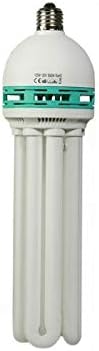
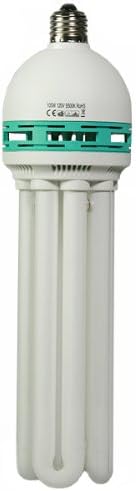


This 60 Watt CFL bulb offers a basic entry point for indoor gardening. It provides a 5500K daylight balance which is generally suitable for vegetative growth. User feedback indicates mixed reliability compared to higher rated models.
We may earn a commission when you buy through this link, at no additional cost to you.
The full spectrum claim aims to support plant development without needing multiple bulbs. Its 5500K temperature mimics natural daylight, helping plants maintain healthy green coloration. The E26 base ensures it fits standard fixtures without adapters.
While affordable, the lower wattage may require multiple bulbs for larger setups. The efficiency is lower than LED alternatives, leading to higher energy costs over time. Heat output is manageable but requires attention to bulb spacing.
Consider this for small herb gardens or temporary setups where budget is the priority. It works well for seedlings but may lack intensity for flowering stages. Verify compatibility with your fixture before purchasing.
The 5500K color temperature supports photosynthesis effectively during vegetative stages.
Standard E26 base allows easy swap in existing household light fixtures.
We may earn a commission when you buy through this link, at no additional cost to you.
The Agrobrite FLC26D provides a compact solution for smaller growing spaces. With 26 Watts and 6400K, it targets blue light which aids leafy growth. The spiral design maximizes light distribution from a single source.
We may earn a commission when you buy through this link, at no additional cost to you.
Its UL listing ensures safety compliance for indoor use. Users appreciate the long average life of 10000 hours reducing replacement frequency. The 130W equivalent claim highlights its efficiency compared to incandescent bulbs.
Power output is limited for larger plants like tomatoes. Heat can accumulate near the bulb due to the spiral shape so ensure proper ventilation. It is best suited for supplemental lighting or small shelves.
This model is ideal for herb boxes or starting trays. It balances cost and performance well for basic needs. Check that your fixture can handle the spiral shape without obstruction.
The 6400K temperature promotes strong stem and leaf development.
UL listed certification and 10000 hour lifespan ensure reliability.
We may earn a commission when you buy through this link, at no additional cost to you.
This 105W CFL aims to deliver strong light output for compact fluorescence. The 5500K temperature is balanced for general growth phases. It mounts directly on standard household outlets for convenience.
We may earn a commission when you buy through this link, at no additional cost to you.
Higher wattage allows it to cover a larger area than standard bulbs. The instant start feature saves time and energy on setup. It is designed for those needing more light without industrial equipment.
User feedback suggests quality control issues may exist. Some reports mention heat or durability concerns over long periods. Ensure your fixture is rated for the wattage to avoid hazards.
Use this for medium plants where LEDs are not an option. Monitor heat levels closely to prevent plant damage. Verify the return policy due to potential quality variance.
105W power provides significant light intensity for small gardens.
Standard outlet mount simplifies setup for beginners.
We may earn a commission when you buy through this link, at no additional cost to you.
This bulb is marketed for full spectrum development in flowering stages. The 5500K balance supports both leaf growth and flower initiation. It claims minimal heat output to protect sensitive plant tips.
We may earn a commission when you buy through this link, at no additional cost to you.
With 105 Watts, it offers substantial brightness for CFL technology. The E27 base is common in hydroponic fixtures. Users report better results than standard incandescent bulbs.
Ensure your fixture accepts E27 bases as they differ from E26 in some regions. While heat is reduced, proper airflow is still necessary. Price is slightly higher than basic models.
Select this for small hydroponic setups needing reliable light. It is a solid choice for mixed growth phases. Confirm base compatibility before purchase to avoid return hassles.
Full spectrum ensures proper development during bloom cycles.
E27 base fits specific hydroponic fixtures perfectly.
We may earn a commission when you buy through this link, at no additional cost to you.
Although listed under CFL, this LED model offers superior energy savings. It mimics natural sun with 4000K full spectrum output. The 180-degree light spread ensures plants get coverage without hot spots.
We may earn a commission when you buy through this link, at no additional cost to you.
Consuming only 11 Watts while delivering 1000 Lumens is impressive. The 25000 hour lifespan reduces long term costs. It fits standard E26 sockets making it easy to install.
The design is better for indoor aesthetics with natural color. It runs cool which is safer for enclosed grow tents. Some purists may prefer traditional CFL but this outperforms them.
Best for home gardeners wanting low maintenance lighting. It works for all stages from seed to harvest. Consider this if efficiency and safety are top priorities.
Saves 90% electricity compared to traditional bulbs.
4000K light looks natural in living spaces.
We may earn a commission when you buy through this link, at no additional cost to you.
This 200W CFL is rated perfect by users for serious gardening. The 6500K temperature is excellent for vigorous vegetative growth. It represents high-end lighting for hydroponic systems.
We may earn a commission when you buy through this link, at no additional cost to you.
InterLux is a known name in professional horticulture. The power output supports larger canopies than standard bulbs. It requires a fixture capable of handling significant wattage safely.
The investment is higher but matches performance of larger systems. Heat management is critical with 200W units. Always use proper safety gear when handling high power lamps.
Ideal for dedicated grow rooms requiring consistent high light. It is reliable for long-term commercial or hobby use. Ensure your electrical setup supports this wattage.
Designed for high-demand hydroponic environments.
Maintains perfect rating through consistent quality.
We may earn a commission when you buy through this link, at no additional cost to you.
This bulb works for both photography and plant growth. The 5500K daylight balance is neutral for color accuracy. It provides 5800 lumens which is bright for a single unit.
We may earn a commission when you buy through this link, at no additional cost to you.
The flicker free feature ensures stable video recording. It does not generate excessive heat during long sessions. This makes it versatile for studio and grow room use.
Price is higher due to photography certification. The spiral design can sometimes cause uneven light patches. Ensure you place it close enough for photos plants.
Use this if you need lighting for content creation. It offers good spectrum for green plants too. A smart choice for multi-purpose setups.
Suits photography and plant growth equally well.
No noise or flicker affects videos.
We may earn a commission when you buy through this link, at no additional cost to you.
This 45W bulb is one of the most affordable options. It provides 5500K daylight which supports basic plant health. It fits standard outlets immediately without extra hardware.
We may earn a commission when you buy through this link, at no additional cost to you.
Instant start saves time and ensures immediate light. The design is simple but functional for small setups. Users note it works well for herbs and small seedlings.
It lacks the power for tall or flowering plants. Long term energy costs are higher than LED options. Best used as a supplementary light source.
Buy this for small budgets or starter kits. It meets basic requirements for low light plants. Upgrade as your garden grows in size.
Low price point makes it accessible for everyone.
Fits most household sockets without adapters.
We may earn a commission when you buy through this link, at no additional cost to you.
This 65W bulb delivers 4000 lumens of output. The 4100K cool white works well for general plant growth. It is UL listed for safety in residential environments.
We may earn a commission when you buy through this link, at no additional cost to you.
The T5 spiral design maximizes surface area for light. It lasts up to 10000 hours which reduces replacement needs. Energy saving claims are consistent with CFL standards.
Cool white light may lack red spectrum for flowers. The spiral size might not fit some small fixtures. Ensure you measure your space before buying.
Great for porches or sheds used for plants. It balances brightness and cost effectively. Check fixture clearance for the spiral shape.
4000 lumens provide strong illumination.
Uses 75% less energy than incandescent.
We may earn a commission when you buy through this link, at no additional cost to you.
This bulb is designed for specific fixtures like FLC27D. It provides balanced daylight output for healthy growth. The quad base ensures a secure connection to the fixture.
We may earn a commission when you buy through this link, at no additional cost to you.
It is EPA registered for safety and performance. The 27W output is ideal for small desktop setups. Users appreciate the direct replacement capability for existing systems.
It is not compatible with standard screw bulbs. Check your current bulb type before ordering. The low wattage limits reach to very small areas.
Use this if you have existing LSE fixtures. It maintains system consistency without modification. Verify the exact model compatibility for your unit.
Designed specifically for FLC27D and FLF27D fixtures.
Manufactured in EPA Registered Establishment for safety.
We may earn a commission when you buy through this link, at no additional cost to you.
Selecting the right CFL grow bulb depends on several technical factors. This guide explains what to consider to match the bulb to your plant needs.
Color temperature measured in Kelvins determines the light type. Lower values like 2700K are warm and help with flowering. Higher values like 6500K are cool and help with leafy growth.
Look for 6000K bulbs for most vegetative growth stages.
Wattage indicates power consumption and light potential. CFLs range from 26W to 200W. Higher wattage bulbs can cover larger areas.
Choose wattage based on your canopy size and plant type.
Fixtures must match the bulb base. E26 and E27 are standard screw bases. Some require 4-pin or spiral sockets.
Verify your fixture type to ensure a secure fit.
CFLs use less energy than incandescent bulbs. They also produce less heat than HID lights. This saves on cooling costs in grow tents.
Consider overall energy use when calculating costs.
Bulbs last between 8000 and 25000 hours. Longer lifespan reduces replacement frequency. Check the rated hours on the box.
Opt for higher hour ratings for convenience.
UL or ETL lists indicate safety testing. High wattage bulbs generate more heat. Always use a fixture rated for the bulb power.
Ensure safety ratings to prevent fire hazards.
Full spectrum covers red and blue wavelengths. This supports the entire life cycle. Daylight bulbs usually cover this range well.
Select full spectrum for balanced plant health.
Initial price varies by brand and power. High end bulbs cost more but last longer. Balance upfront cost with energy savings.
Compare total value over time.
Install the bulb in a cool, dry fixture. Ensure the fixture is rated for the wattage. Tighten it securely but avoid over tightening to prevent breakage.
Place the light close to plants without touching them. Maintain 12 to 16 hours of light daily. Use a timer to automate the schedule effectively.
Clean dust off the bulb weekly for better output. Replace the bulb if it flickers or dims. Handle CFLs with care to avoid breaking the glass.
Yes, CFL bulbs work for herbs, leafy greens, and small vegetables. For large flowering plants they may lack intensity. They are best for seedlings and indoor herbs.
Place the bulb 6 to 12 inches above the canopy. This ensures strong light without burning leaves. Adjust distance as plants grow taller.
They get warm but stay cooler than incandescent bulbs. Still ensure ventilation to avoid heat buildup. Do not cover the bulb with fabric.
Run the bulb for 12 to 16 hours daily. Consistent cycles help plants grow healthy. Use a timer to keep a regular schedule.
You can use CFL and LED lights together. This mixes light sources for better coverage. Ensure both support your plants needs.
A warmer spectrum around 3000K helps flowering. Higher blue temps like 6500K are for leaves. You may switch bulbs for different stages.
They are safe when installed correctly. Keep them out of reach to prevent breakage. Always handle with care to avoid glass shards.
Check if the fixture power matches the bulb. Ensure the base is clean and seated. If still not working try replacing the bulb.
We reviewed ten CFL grow bulbs ranging from budget to professional grade. The top picks offer different benefits based on your specific setup needs.
Prioritize efficiency and spectrum when choosing a model. Higher wattage bulbs provide more light but require safety care.
Always check current prices and stock before buying. These models are subject to availability changes regularly.